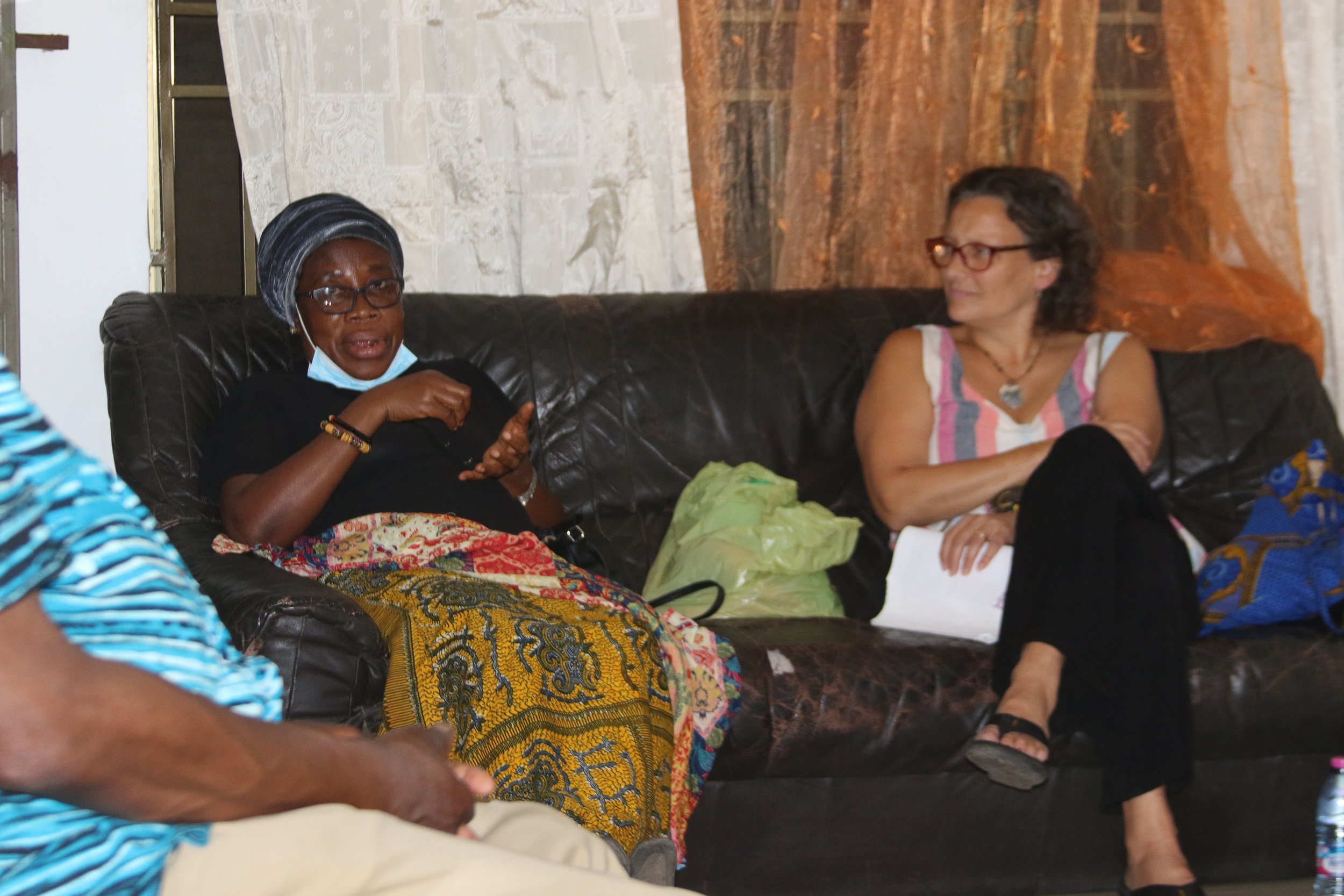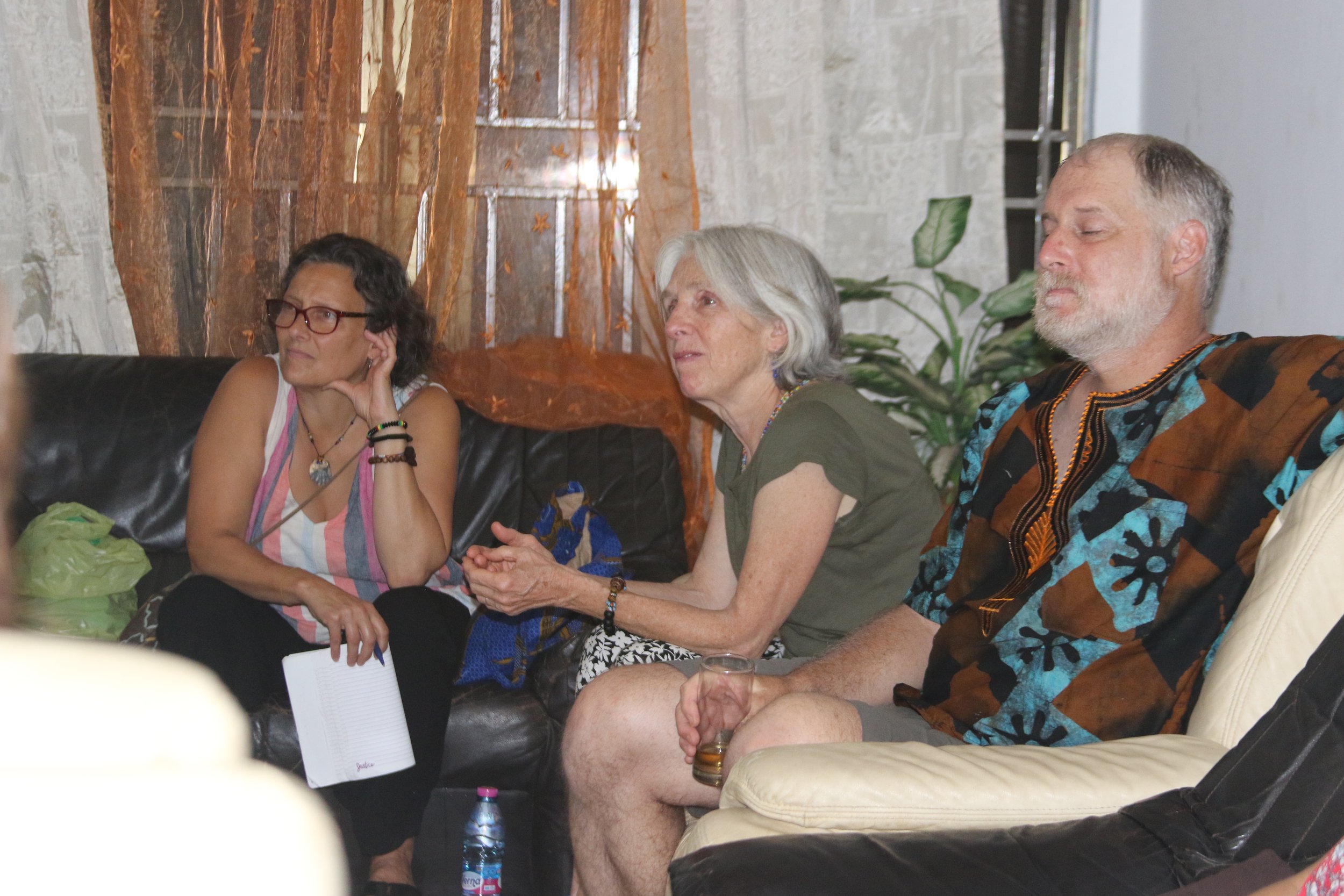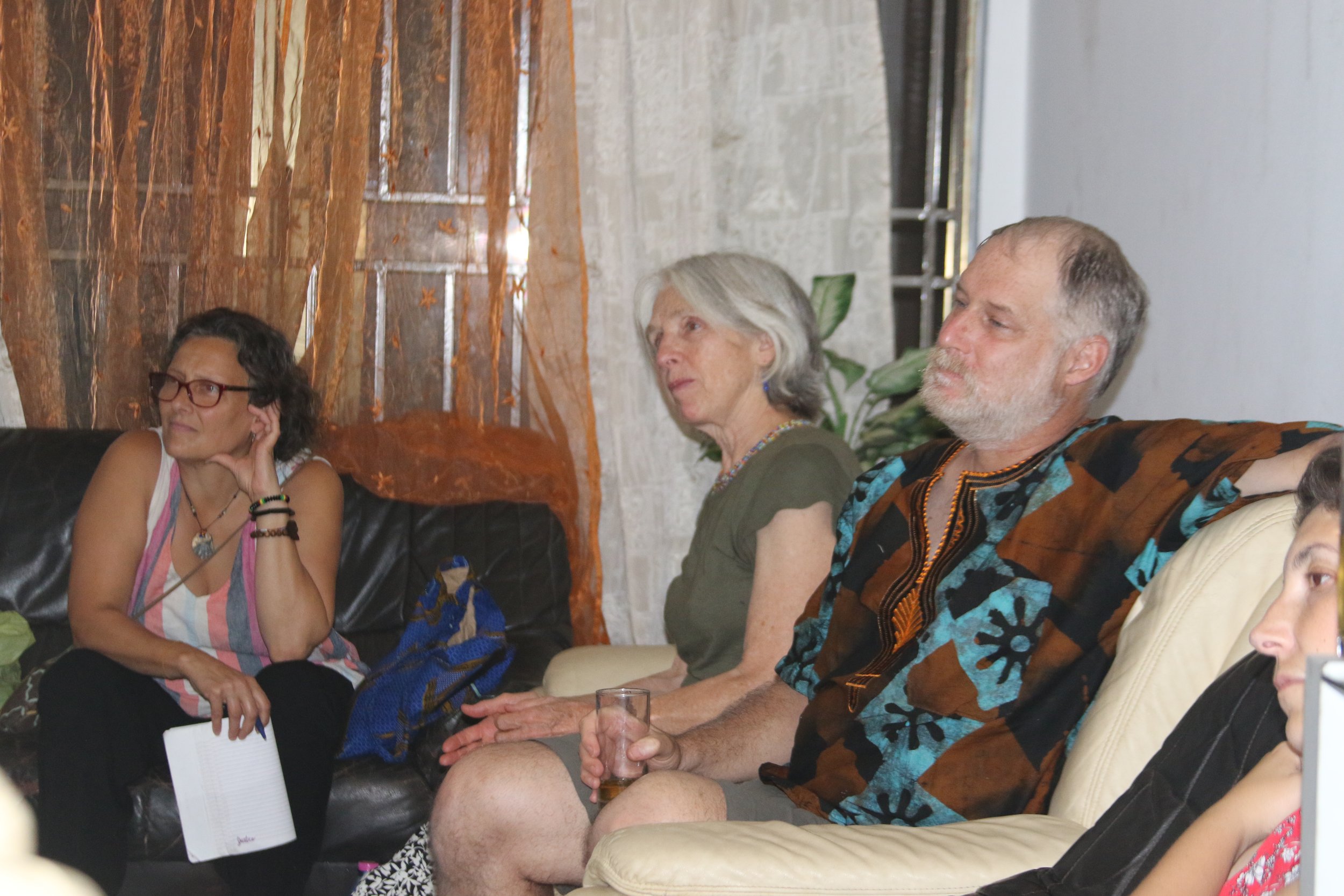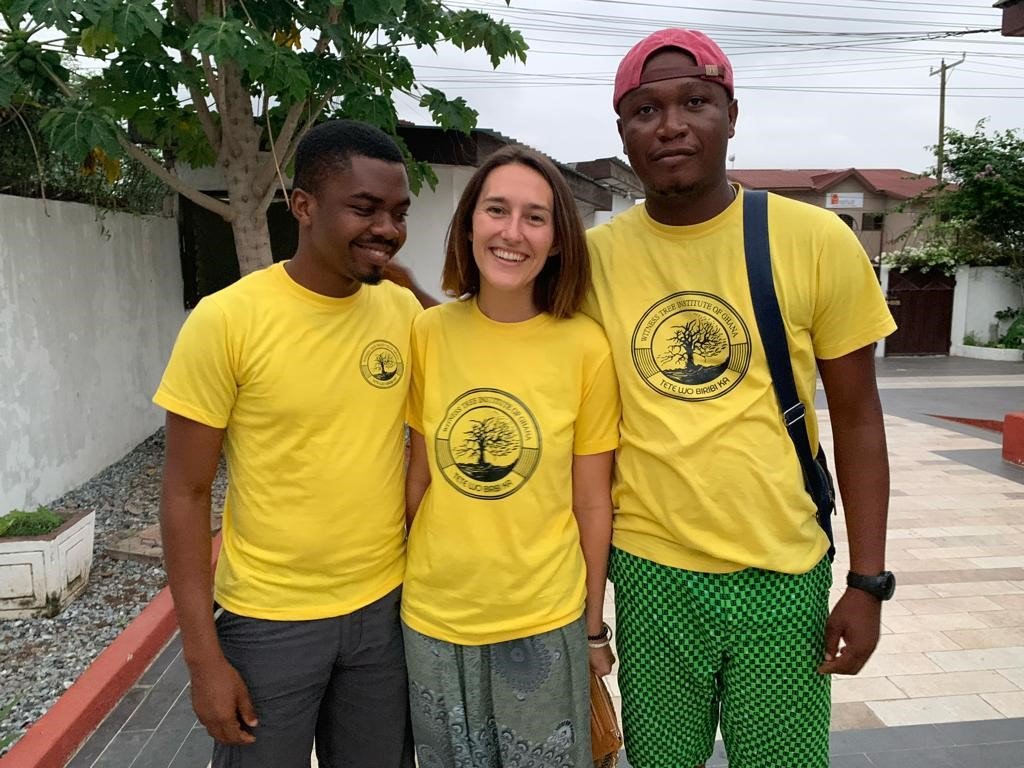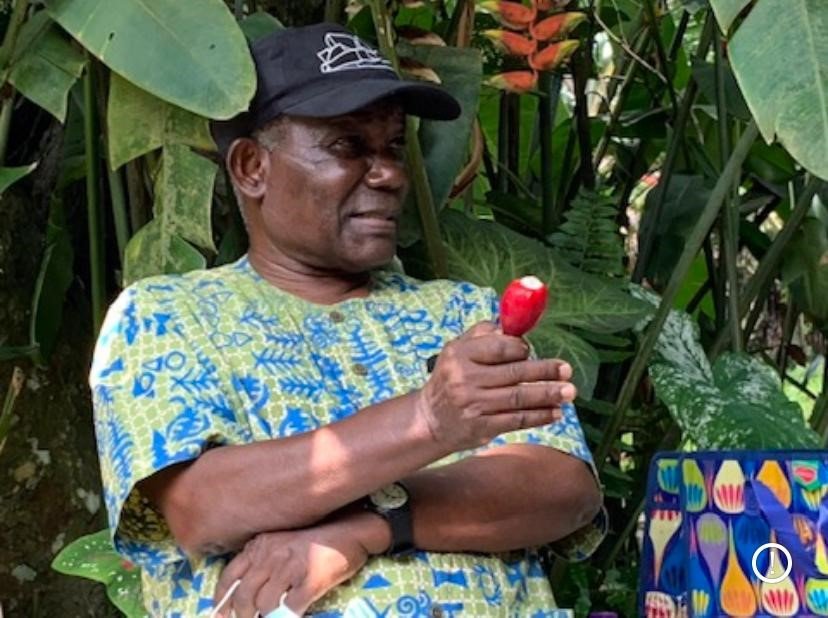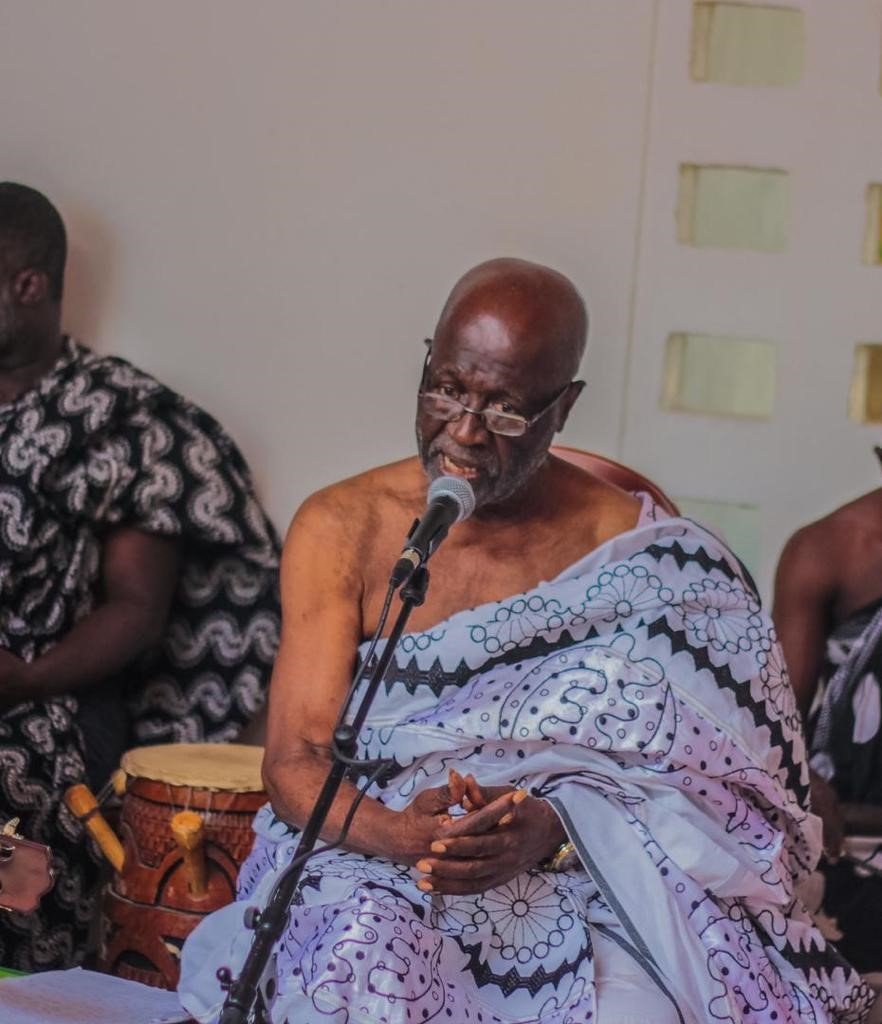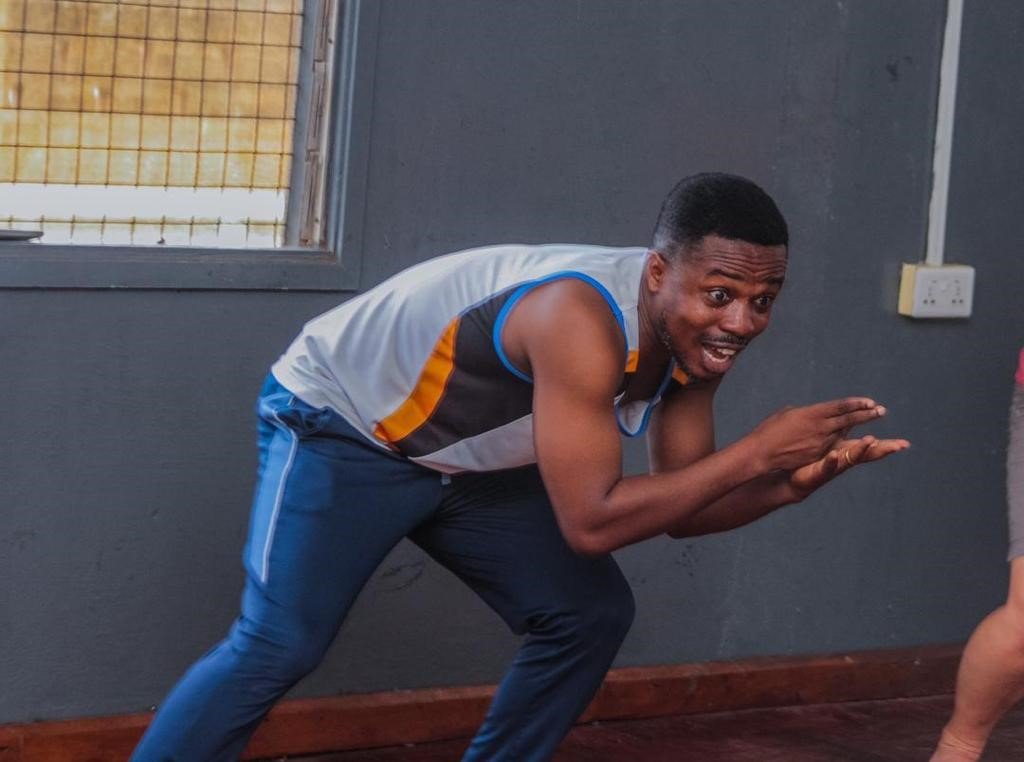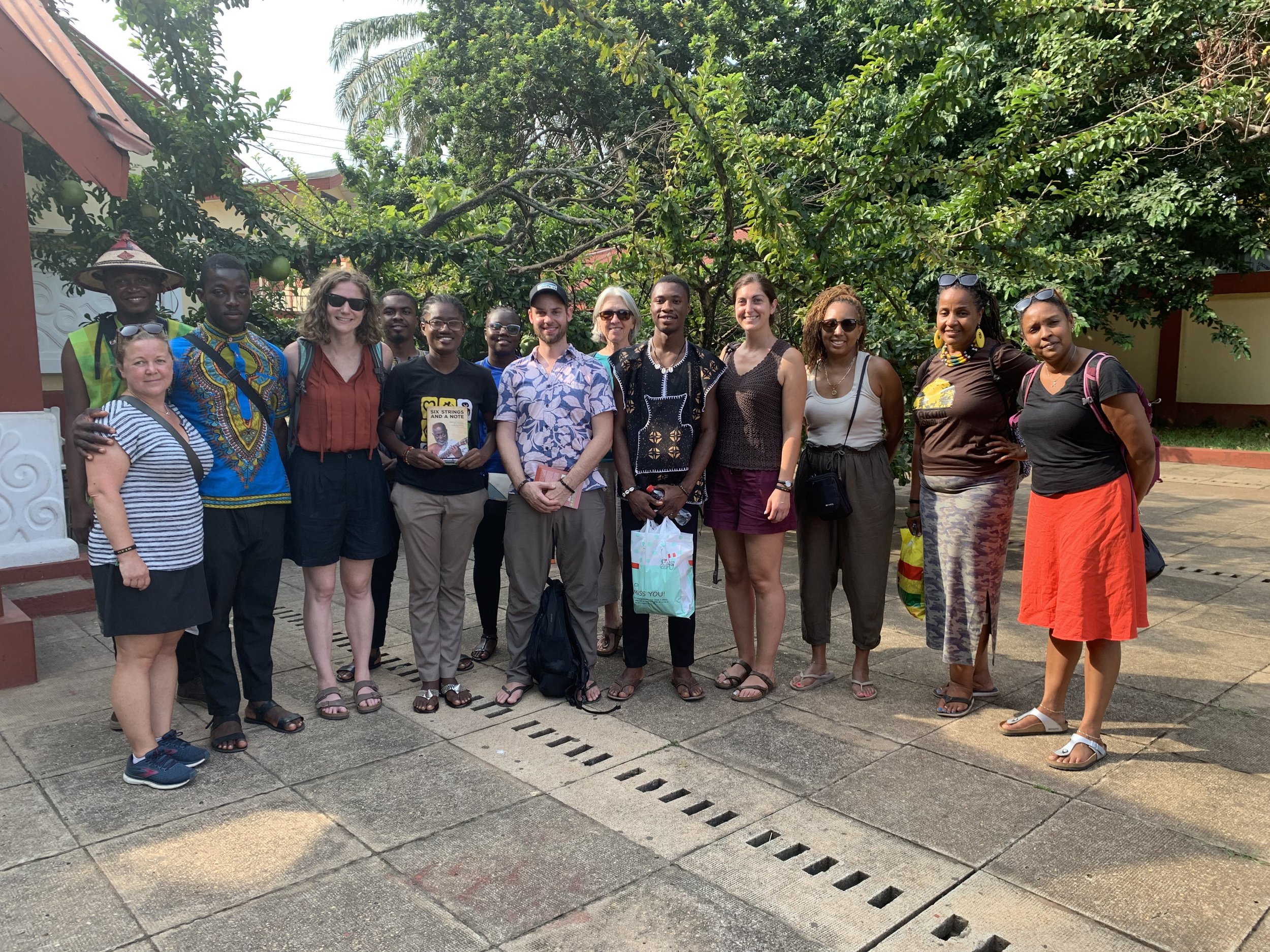
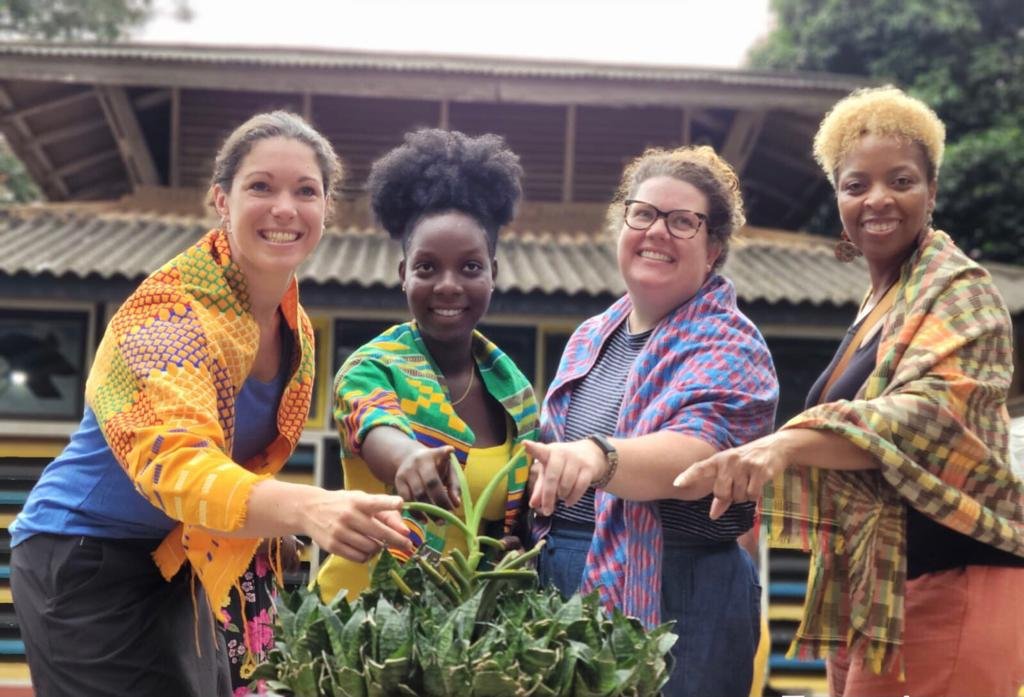
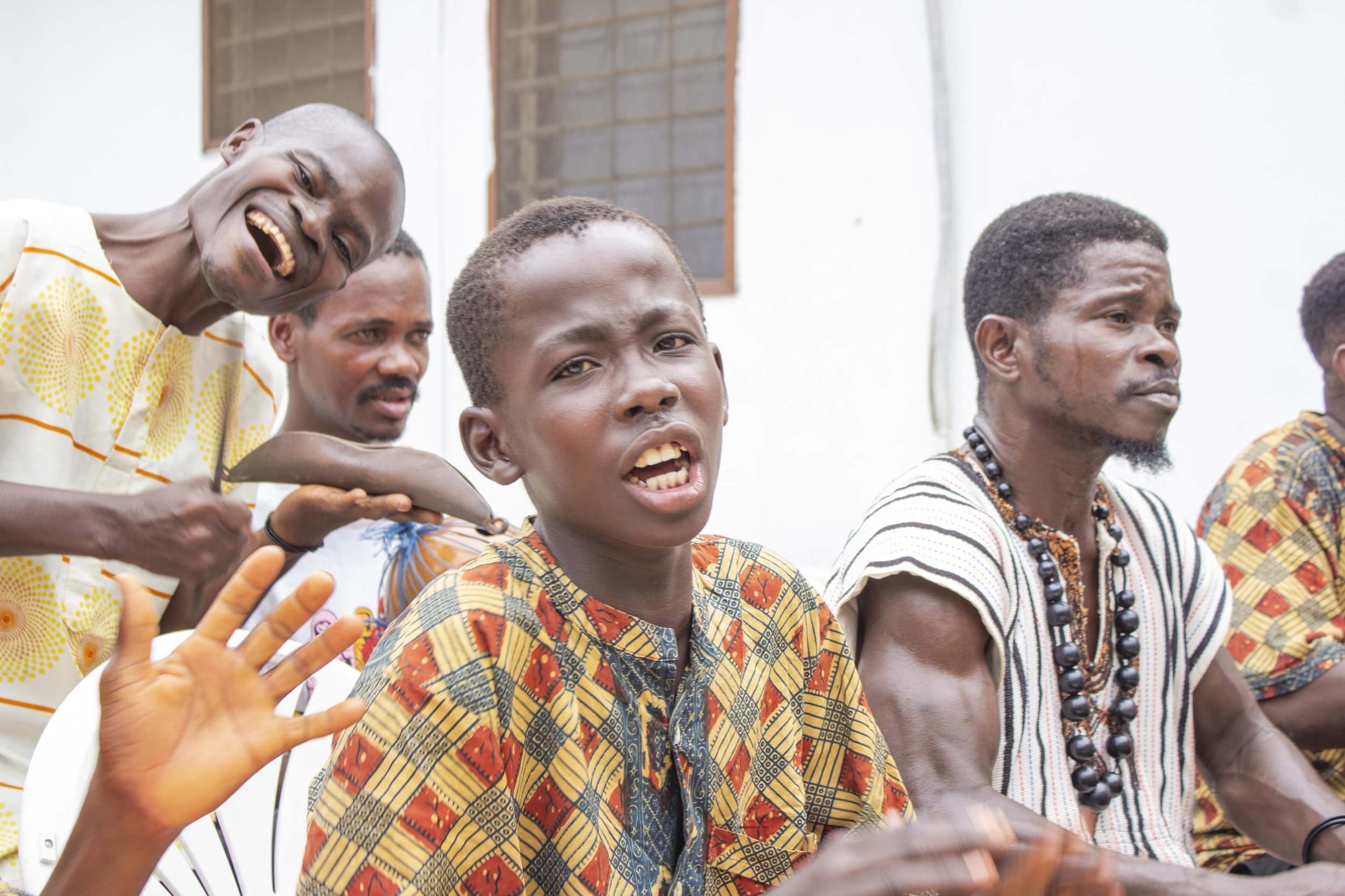
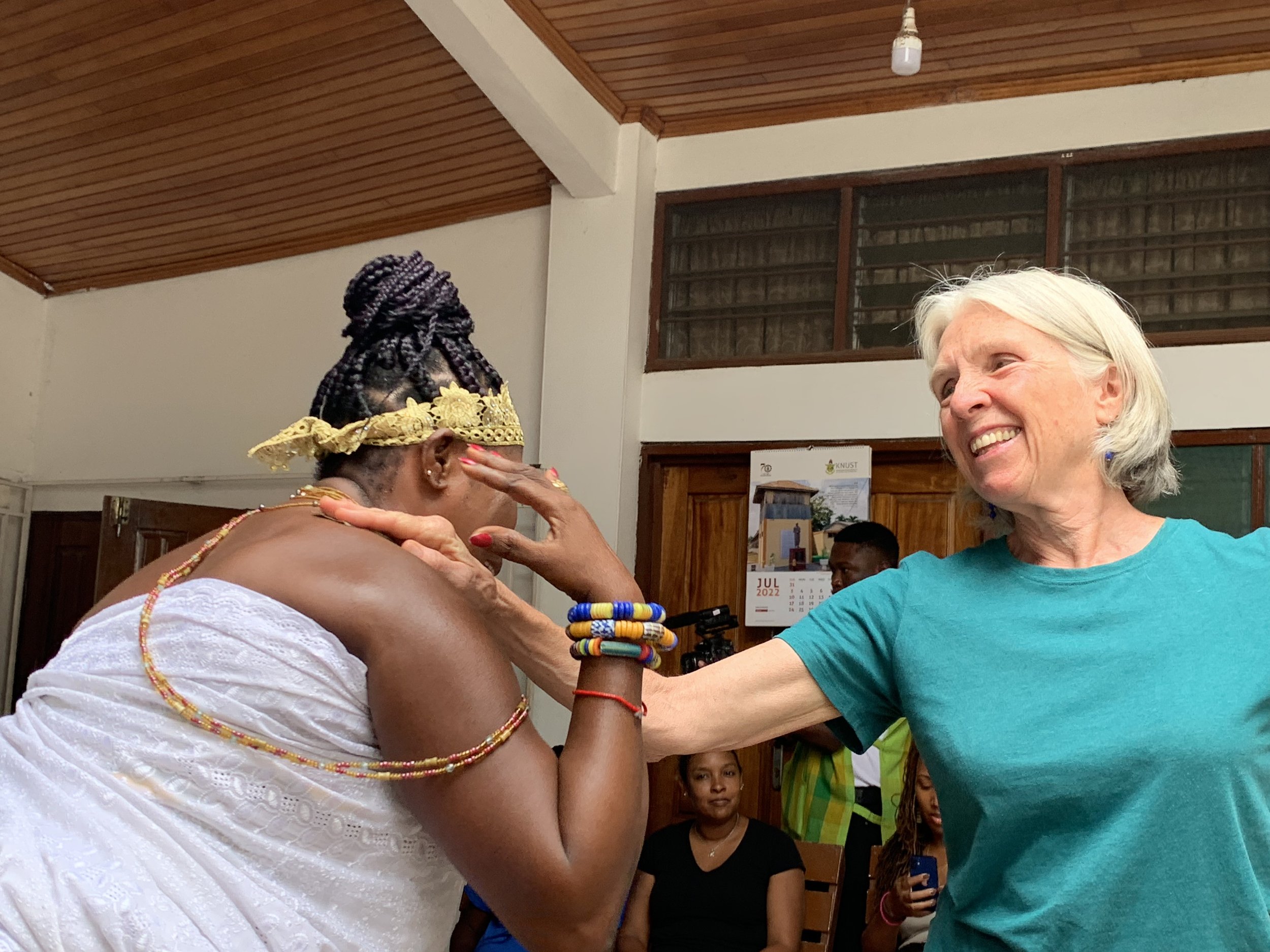
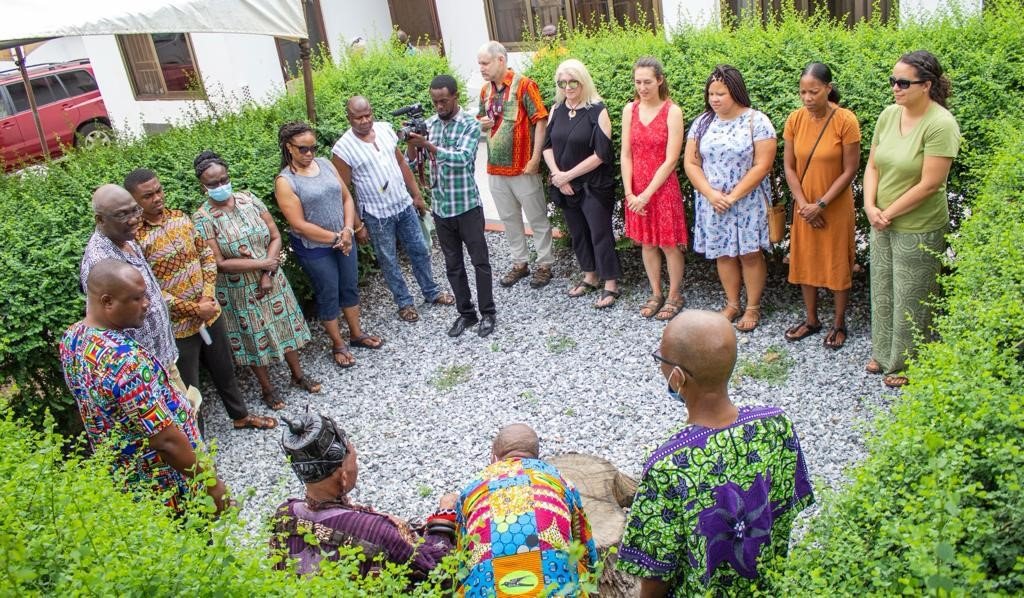
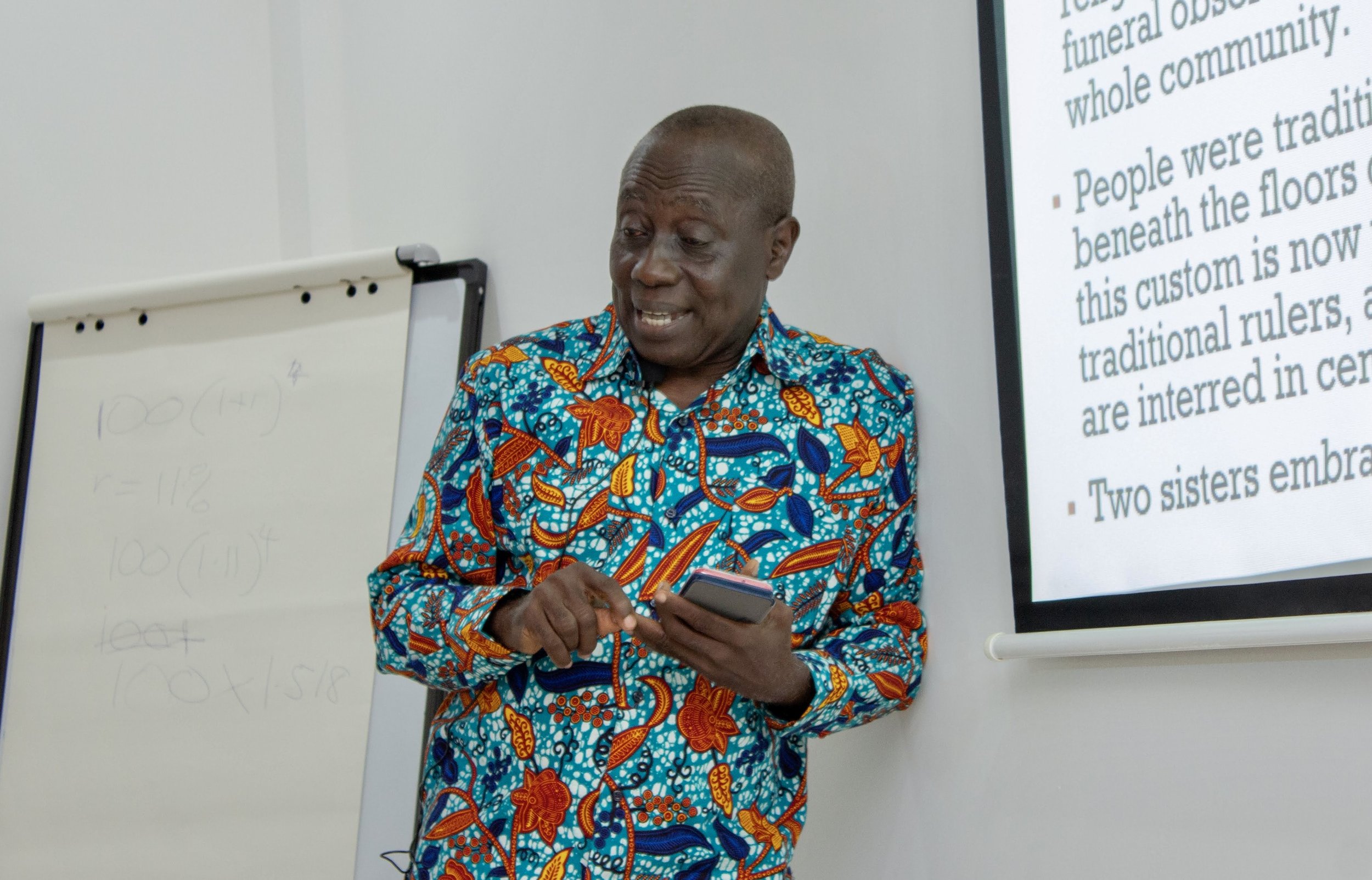
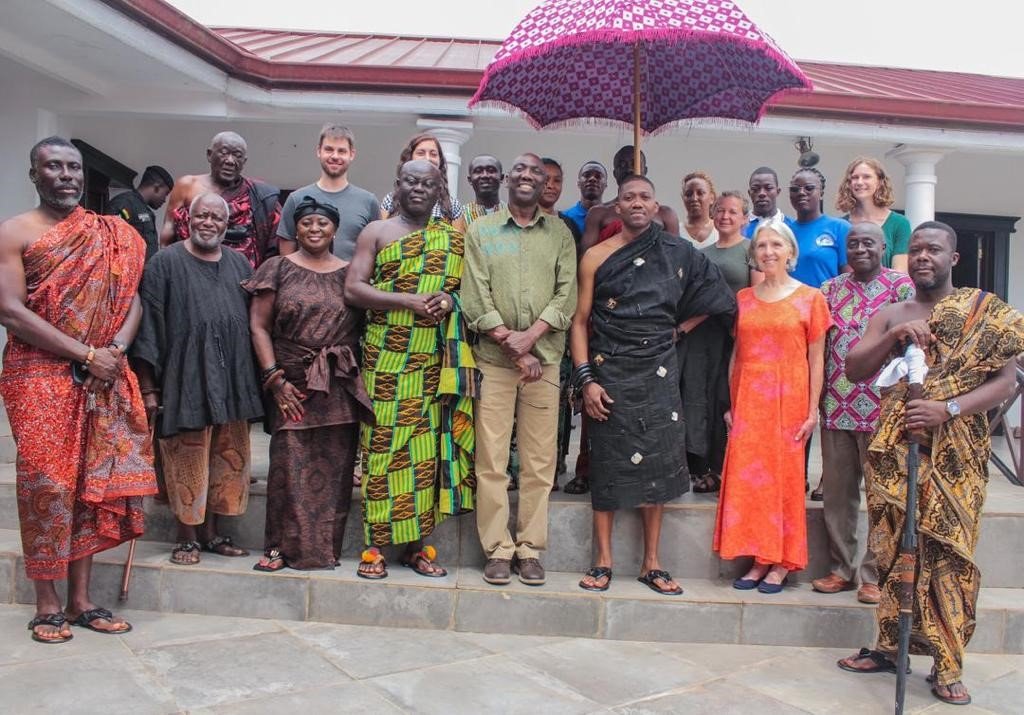
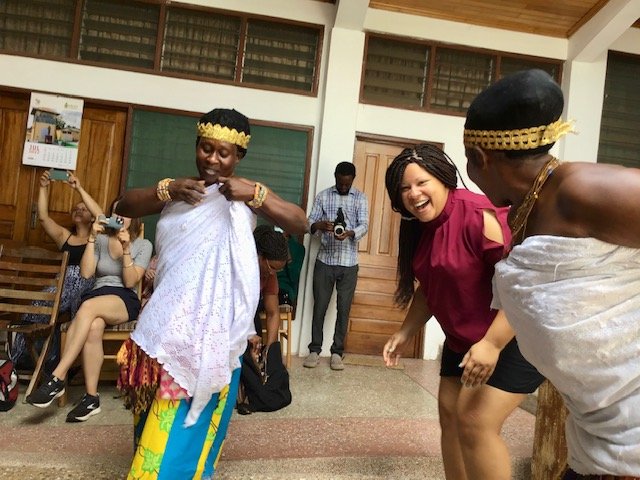
An immersive two week professional development experience in Ghana for K-12 educators to deepen their knowledge of African culture and its impact on the world, and to explore their pedagogical competencies.

If we pay close attention to our lives and our responsibilities towards each other, we will understand that we are all witness trees to the historical, emotional, poignant and consequential happenings around us. 

My father once told me “Tete wo bi kã.” or “The past has something to say.” This is an ancient Akan proverb that reminds us of the value of foundations and new beginnings. We chose the name of our institute to echo this proverb and to stress the wisdom that witnessing brings to learning.

In Ghanaian traditional communities, land belongs to everyone and is protected by chiefs and family heads, but family land is demarcated often by trees, rocks, river banks etc. These are recognized as “witnesses.” So Witness Trees, for example, not only define territories, but also sustain stories and family folklore. They mark the beginnings of settlements, witnessed events like wars and famine, transactions, and history. They function as timekeepers, and also shed light on the past. Witness trees pass on life and identity from generation to generation. 

The Witness Tree Institute of Ghana believes that each participant in its program, by experiencing and reflecting on far reaching historical events, traditions and the rich culture of Ghana, becomes “a witness tree.”

- Tete Cobblah

Click to learn more about Tete’s vision

The Institute

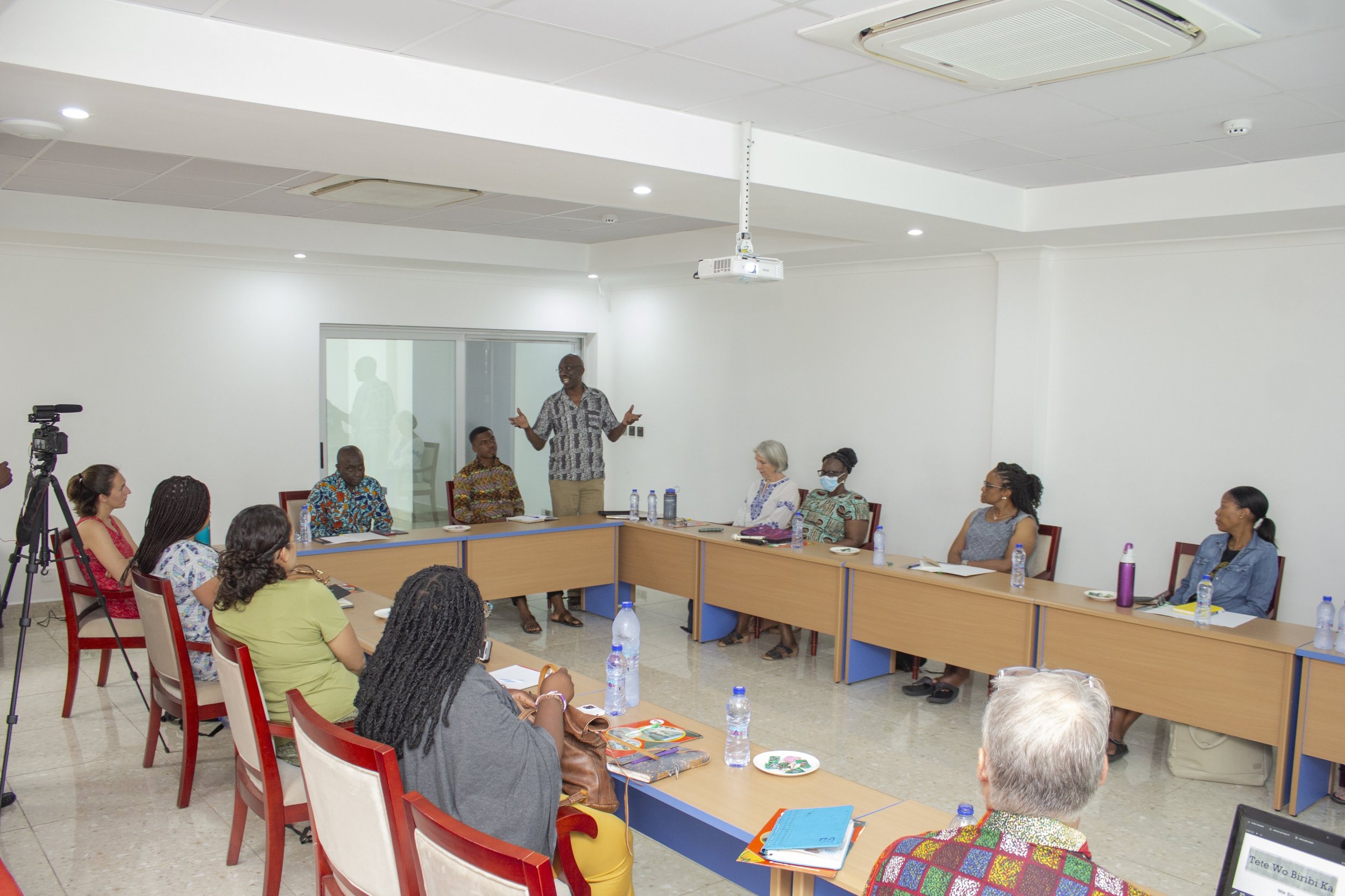
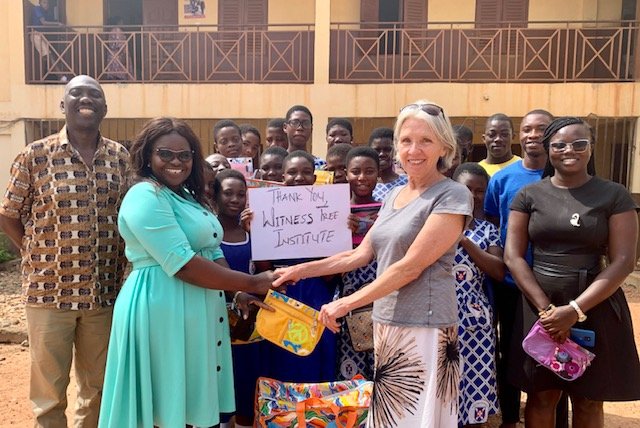
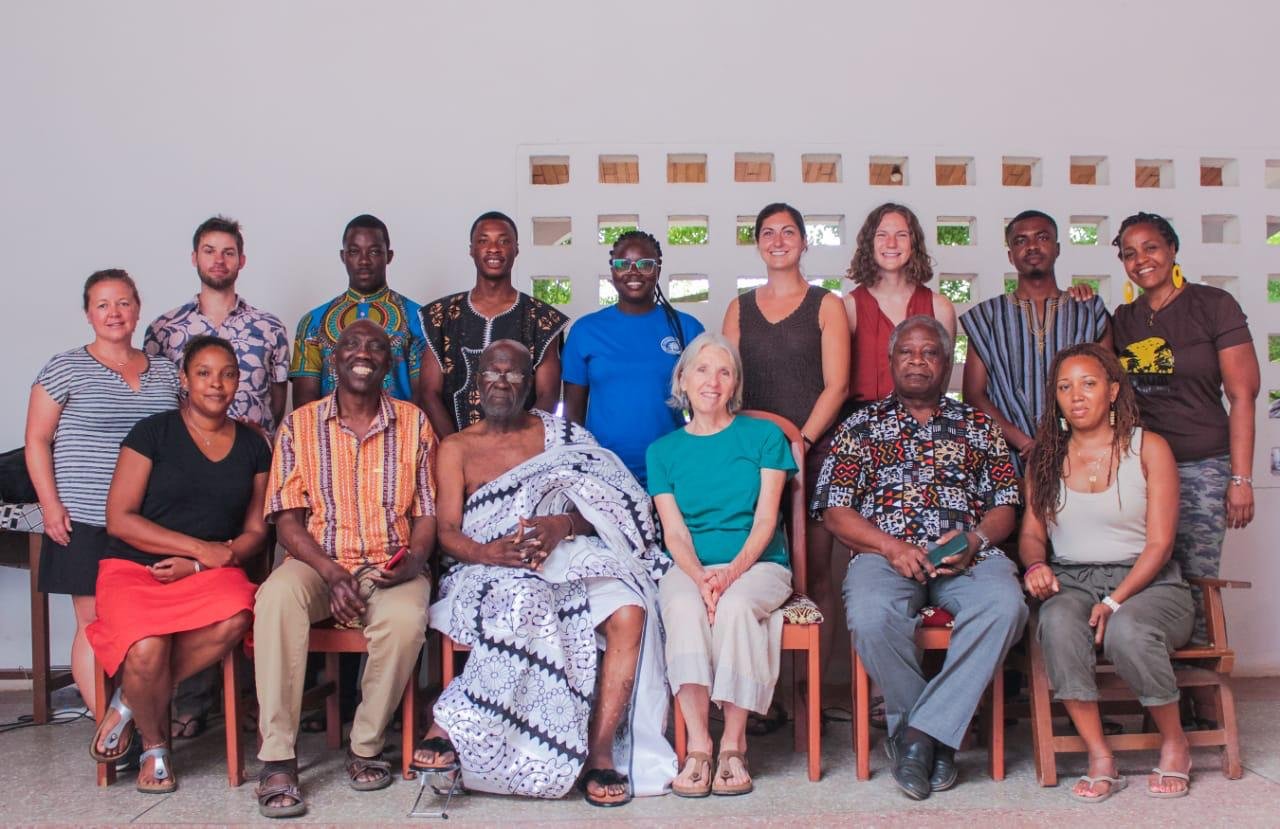
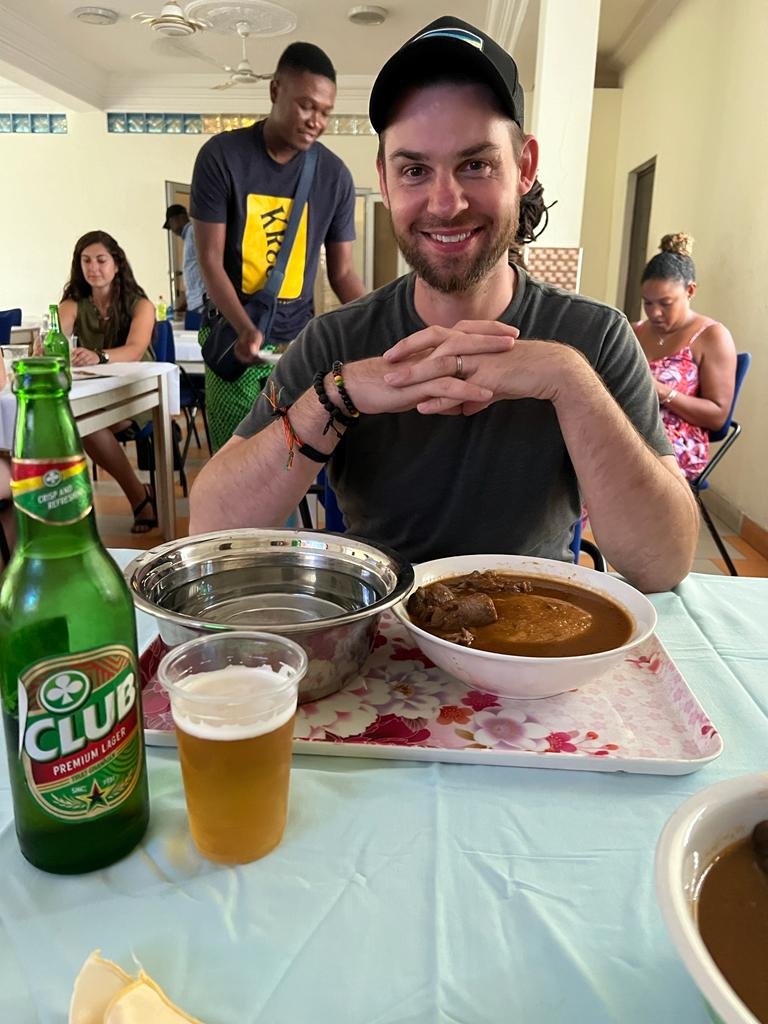
The  Witness Tree Institute of Ghana was created to engage educators in multidisciplinary learning experiences through travel and exposure to Ghanaian culture, history, and education. Experiential education is essential in a world where distance, isolation, media, and individual experiences often affect the way we interpret the world and teach. Through firsthand learning and interactions, the institute provides an authentic experience for individuals to develop skills, perspectives, and thinking habits to enrich their institutions and communities. The institute provides an opportunity to use the lens of social justice to initiate discussions between Ghanaian and North American educators.

“Through experiential learning and involvement, participants of the WTIG eventually go on to shed leaves of deeper knowledge and help bridge the cultural gaps between cultures in their teaching and interactions with others.”

WitnessTreePic2.JPG

Program Description

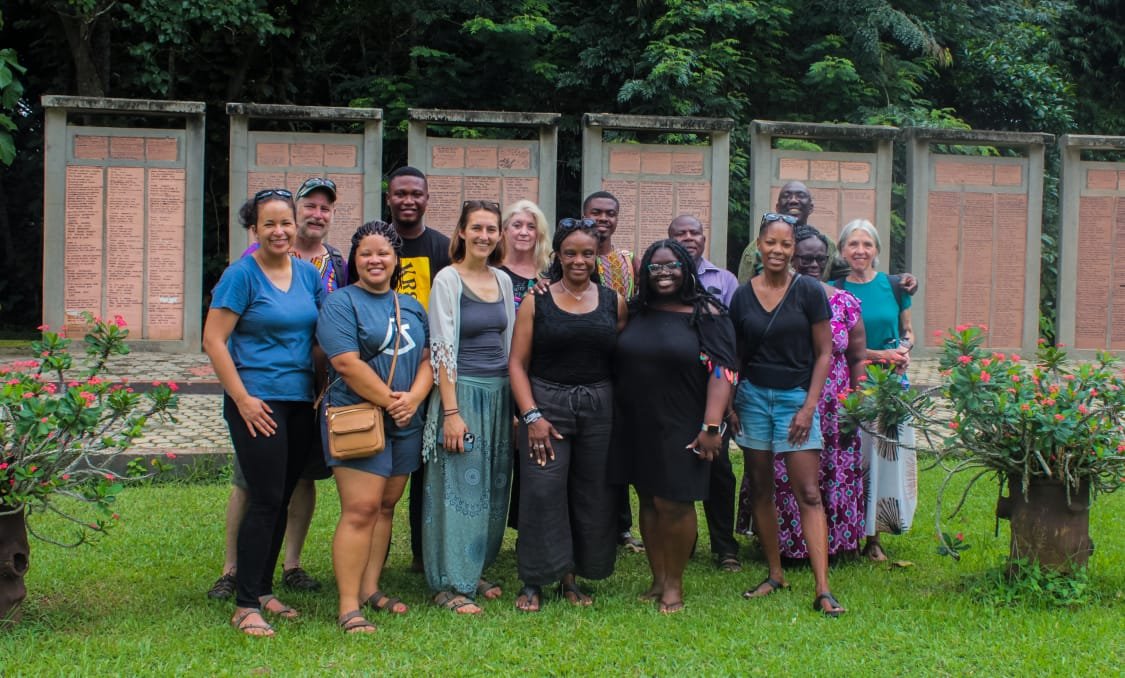
The Witness Tree Summer Institute offers 14 days of stimulating, transformative and thought-provoking cultural, emotional and intellectual learning on each trip to Ghana. For some participants this may be a challenging but transformative experience, for others it may be an opportunity to expand their world, for others it may be a way to discover themselves. To some this may even be a homecoming to the land of their “lost” ancestors and a reunion of parts of their souls and ancestry.

The program involves trips, seminars and daily interactions with Ghanaians of all walks of life, and is led by professional and experienced multicultural educators and seasoned travelers. The Institute engages participants in deeper reflection and inspires each “witness tree” to challenge themselves to engage the world as ambassadors of peace, change, understanding and social justice.

The institute aspires to bring our world together by opening doors to educators through fostering opportunities for participants to:

1. Develop or enhance leadership skills with the goal of inspiring global citizenship and instilling a civic sense of duty within their spheres of influence

2. Engage intellectually, socially and emotionally with their Ghanaian counterparts.

3. Expand critical analysis skills, creativity, and personal growth.

4. Promote cultural proficiency/competencies to better address Diversity, Equity and Inclusion questions.

5. Create new teaching habits and curriculum to respond to Identity and each student. 

 
WitnessTreePic6.JPG

The People

tete.jpg

Tete cobblah

The director of WTIG was born and educated in Ghana, until he studied in the United States as a graduate student at the Rhode Island School of Design. An artist, musician, poet and consultant with a Master’s degree in Art education, Mr. Cobblah has taught at all levels of education in both Ghana and the United States. He has run national and international workshops and seminars for over 30 years. As director of diversity and multicultural educator for over 25 years, Mr. Cobblah brings his expertise in Cross-cultural Communication, Multicultural Education and International Studies to the running of the WTIG.


Advisory council

The Witness Tree Institute is thoughtfully guided by the wisdom and expertise of our Advisory Council

Workshops

click through to view more

Testimonials from Wtig participants

 
P1040036.JPG

“It was inspiring and thought provoking

to be in a new culture. It gave me a new appreciation for being a “minority” yet the warmth and welcome that I felt was so genuine that I always felt valued and appreciated. As an educator, my trip to Ghana was the best professional development experience I’ve had. It opened my eyes to how Ghana plays a role in the global economy and as a leader of the African continent.”


***“My trips to Ghana have influenced my thinking about the role of traditional culture in a society – how Ghanaian culture unites and dignifies its people across difference, gives purpose and meaning to a wide range of people regardless of ability, age, gender or position, and how Ghanaians are inclined to work collectively within a group, family or clan while Americans tend to work towards and celebrate the achievements of the individual. As a teacher I now emphasize cooperative learning and ask students to consider how their behavior benefits the larger group.”

-Elizabeth Updike Cobblah***

“ If you’ve never ventured out of your own bubble or your own comfort zone, and experienced things, your life will be way less full. You will continue to focus on the differences between people and places because you’d never have seen the similarities.”

-Sara Jones, Social Studies Educator

“ At first I was apprehensive about working with the American teachers….but as time went on, the barriers were broken, and now we have become like family.

We don’t want to let each other go. But we have to. They have to go back to their country and we have to continue the work we are doing here .”

-Freda Quao


“I’ve learned from my American counterparts. One of the things I have learned is the power and importance of silence.”

Dela Samuel Awutey, Primary School Educator, Ghana

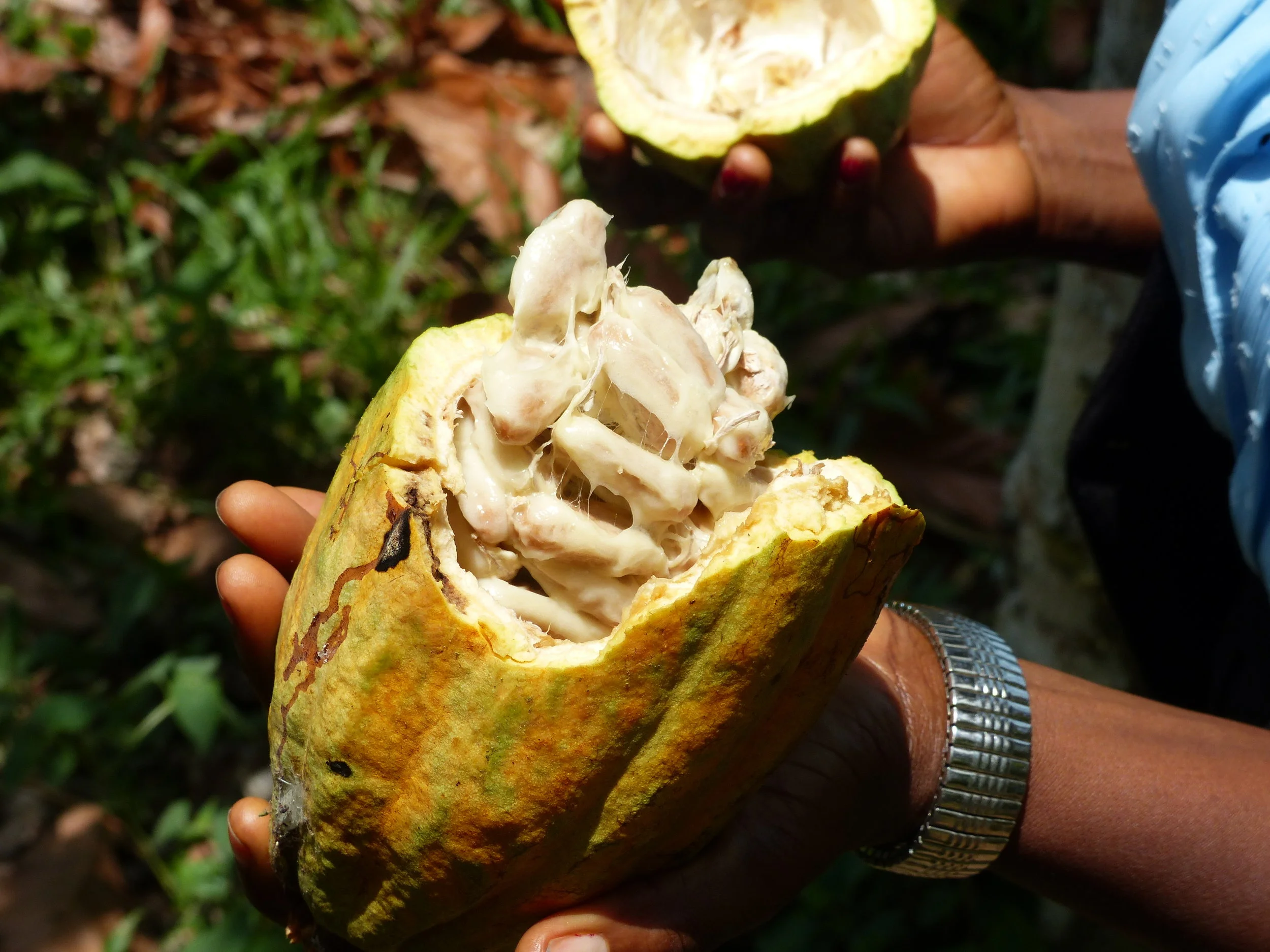
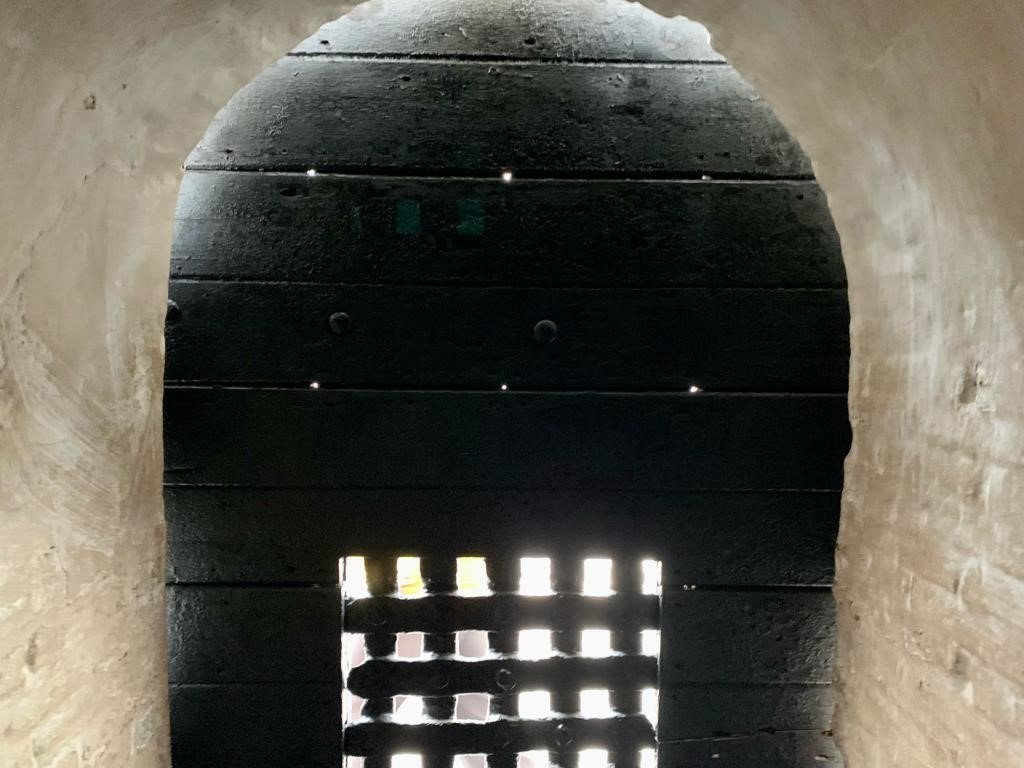
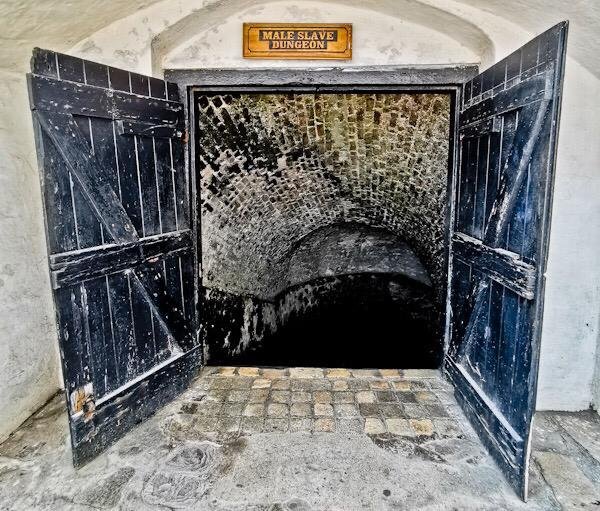
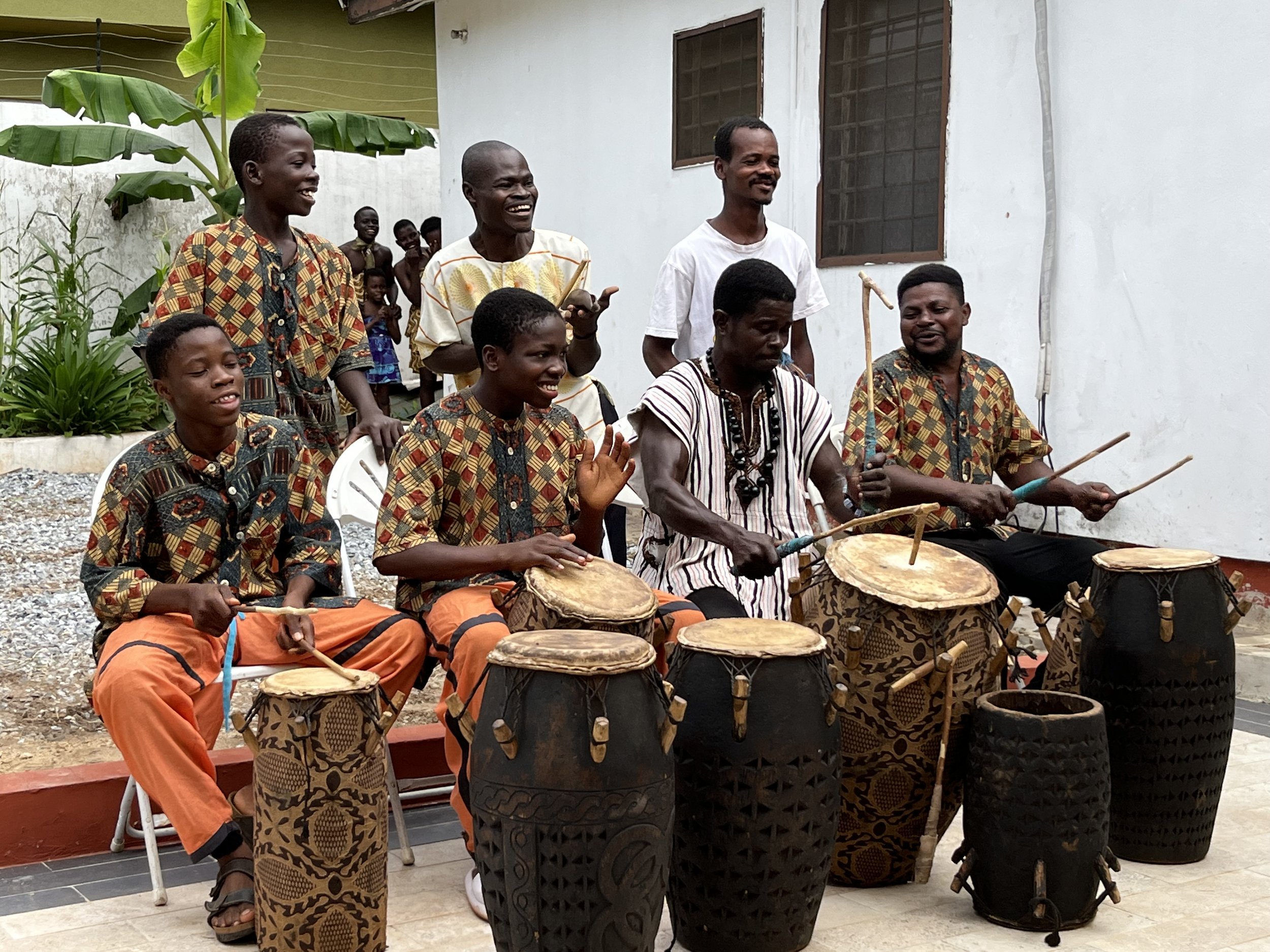
“By standing in the dungeon of a slave fort, exploring the science of plant medicine and cocoa production, consulting with Ghanaian educators, dancing to the sounds of traditional drumming and percussion, this interdisciplinary trip ignites raw passions in a purposeful manner and reinforces culturally competent skills. My students have benefited tremendously from this adventure.”

Dave Duane, Science Educator, USA


Past Programs


Resources

 The Witness Tree Institute of Ghana exists to promote centering Africa in classrooms around the world, and in particular teaching about Ghana and its contributions to world history and culture.  We hope that this page of resources would begin for each teacher a journey to search for ways to open up learning and research as they try to reach every student in and out of their classroom.

Films

American Fiction

Amistad

Music

Witness Tree Institute Africa

Teaching about Africa

Africa in the K-16 classroom African Studies Department, Boston University, MA

African Studies Databases Find databases specializing in African Studies

Researching Africa A list of guides to help you research Africa

Maps of Africa Sorted by country, title, or date

African Newspapers and News Resources In print and online

Online Resources African studies Center, Boston University

Videos

Interview with Professor Ablade Glover  

Akoto Bamfo- Bringing the faces of the transatlantic slave trade to life 

El Anatsui “Change” by Art21 

“The 1619 Project: A New Origin Story” Nikole Hannah Jones 
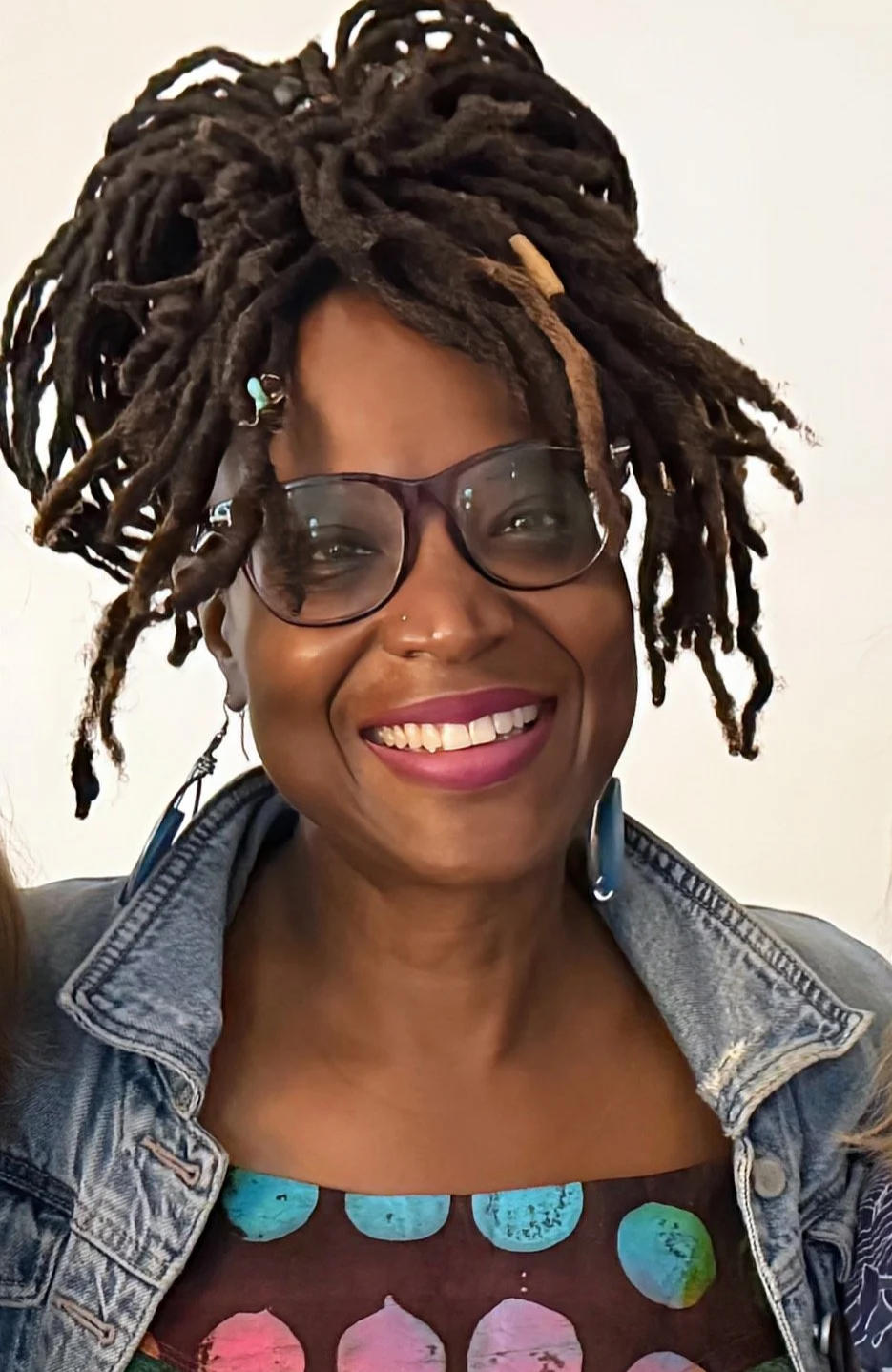
How Ghanian Clay Pots are Made Jasmine Ama

How an Artist uses Sculpture to Tell African History Paul Hamilton

Publications

Non-Fiction

Floating in a most peculiar way by Louis Chude-Sokei

Somebody’s Heart is Burning, A Woman Wanderer in Africa Tanya Shaffer 2003

Lose Your Mother Saidya Hartman 2007

Beyond Guilt Trips, Mindful Travel in an Unequal World Anu Taranath 2019
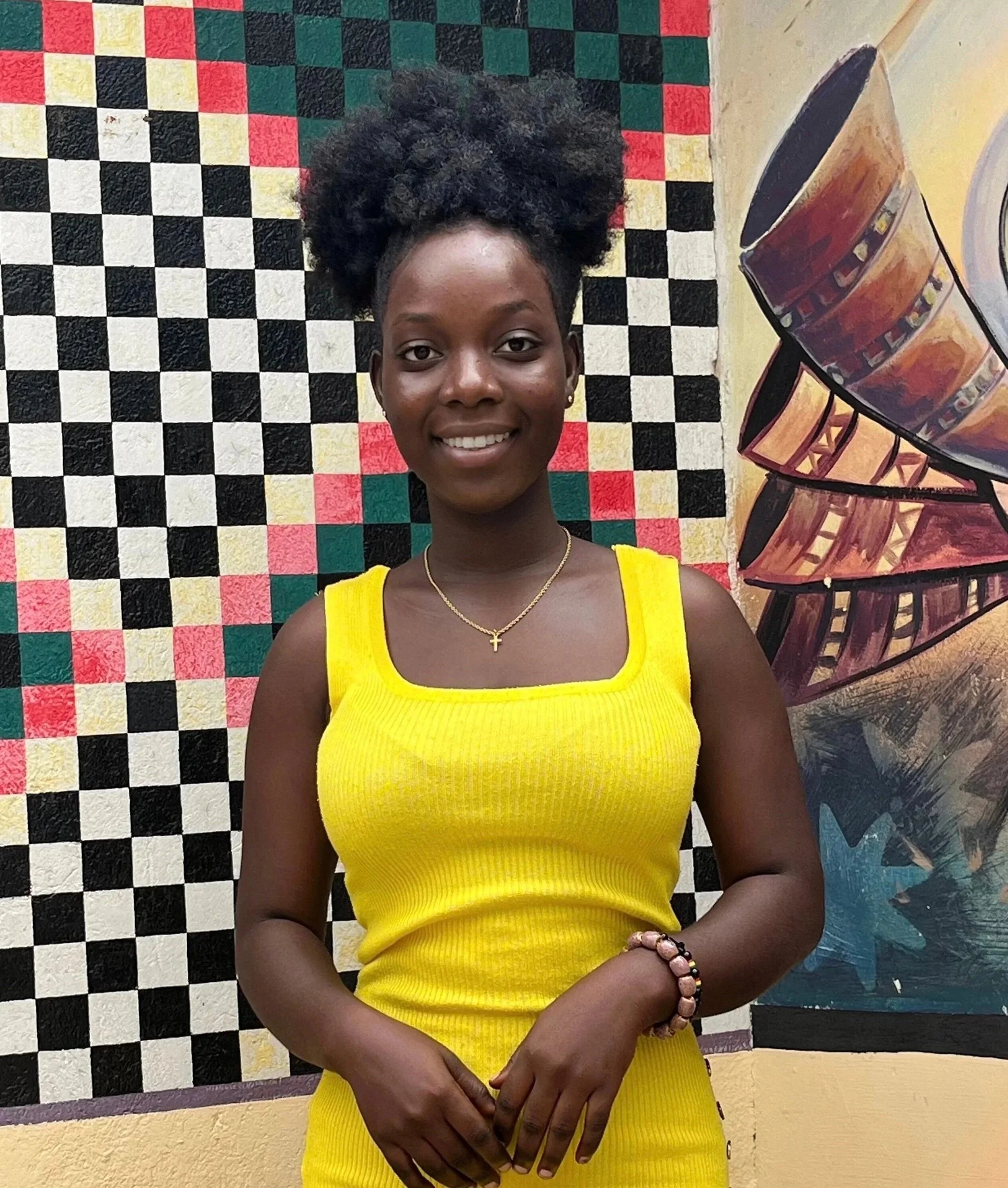
Six Strings and A Note Legendary Guitarist Agya Koo Nimo in His Own Words E Obeng-Amoako Edmonds 2016

How to say Babylon by Safiya Sinclair 

It’s Time to talk (and listen) by Anastaisa Kim, Alicia Del Prado

Centering Proverbs, Indigenous Folktales, and Cultural Stories in Curriculum by George Sefa Dei, Mairi McDoermot

Fiction

Maame by Jessica George.

Wife of the Gods Kwesi Quartey 2009

Of Women and Frogs Bisi Adjapon 2018

No Sweetness Here and Other Stories Ama Atta Adidoo 1970

The Prophet of Zongo Street  Mohammed Naseehu Ali 2005

The Seasons of Beento Blackbird Akosua Busia 1996

Homegoing Yaa Gyasi 2016

The Beautyful Ones are Not Yet Born Ayi Kwesi Armah 1968
Children

Bottle Tops: The Art of El Anatsui Aliso Goldberg 2022 

An Encyclopedia of Gardening for Colored Children Jamaica Kincaid and Kara Walker 2024

Anansi the Spider: A Tale from Ashanti Gerald McDermott 1972

A Story A Story Gail E Hailey 1970

The Spider Weaver: A Legend of Kente Cloth  Margaret Musgrove 2001
Join our mailing list

Send us a message

Applications for the 2026 program are now CLOSED!

Program Dates: July 6-July 19, 2026

Program Cost: The 2026 program will cost $3.200 for workshops, hotel accommodations, travel within Ghana, some meals and other expenses across the 14 day program. With guidance from the institute, participants will be additionally responsible for the cost of their visa applications, trip insurance and airfares to and from Ghana. Financial aid may be available to participants who qualify.

Application Deadline: March 6, 2026

Deposit: Accepted applicants will be asked to submit a deposit of $500 within 2 weeks of their acceptance letter. If unforeseen circumstances cause the program to be cancelled, this deposit will be fully refunded.

Additional requirements: After the trip's conclusion, participants will be asked to create and share a lesson plan, unit, or other action plan that integrates content and lessons from the program for use in classrooms or learning communities. Participants will have shared access to those materials..


SAMPLE ITINERARY

Day 1: Arrival / Travel Day: Arrive Kotoka International Airport, Accra Ghana. Upon your arrival at Kotoka International Airport, a representative will meet you and transport you to your hotel, followed by orientation and cohort introductions. Accommodations: Accra

Day 2: Welcome & Orientation (Akwaaba)

  1. Plenary: Introduction to Ghanaian Culture, (Tomreik Hotel Conference Center) Presented by: Prof. Pashington Obeng, Director of Education and Culture, PAHW Museum

  2. Ga Welcoming and Naming Ceremony (East Legon House). Conducted by Ga Chiefs and Elders.  Entertainment by Accra College of Education Dancers and Drummers

  3. Plenary: Formal and Informal Education in Ghana (University of Ghana, Legon). Presented By: Dr. Sylvanus Kwashie Kuwor, African Studies Dept, Legon

    Accommodations: Accra


    Day 3: Ghanaian Identity

  1. Plenary: From Disability to Ability (East Legon House). Presented By: Gertrude Oforiwa Fefoame

  2. Workshop: Exploring Ghanaian Identity Through Dance and Movement Systems (University of Ghana, Legon). Presented By: Kofi Anthonio, Sena Atsugah, and E.B. Awuah (Dept of Dance and Performance, University of Ghana, Legon)

  3. Transportation to Cape Coast / Elmina Region via Bus, Central Province, Ghana

     Accommodations: Elmina

    .

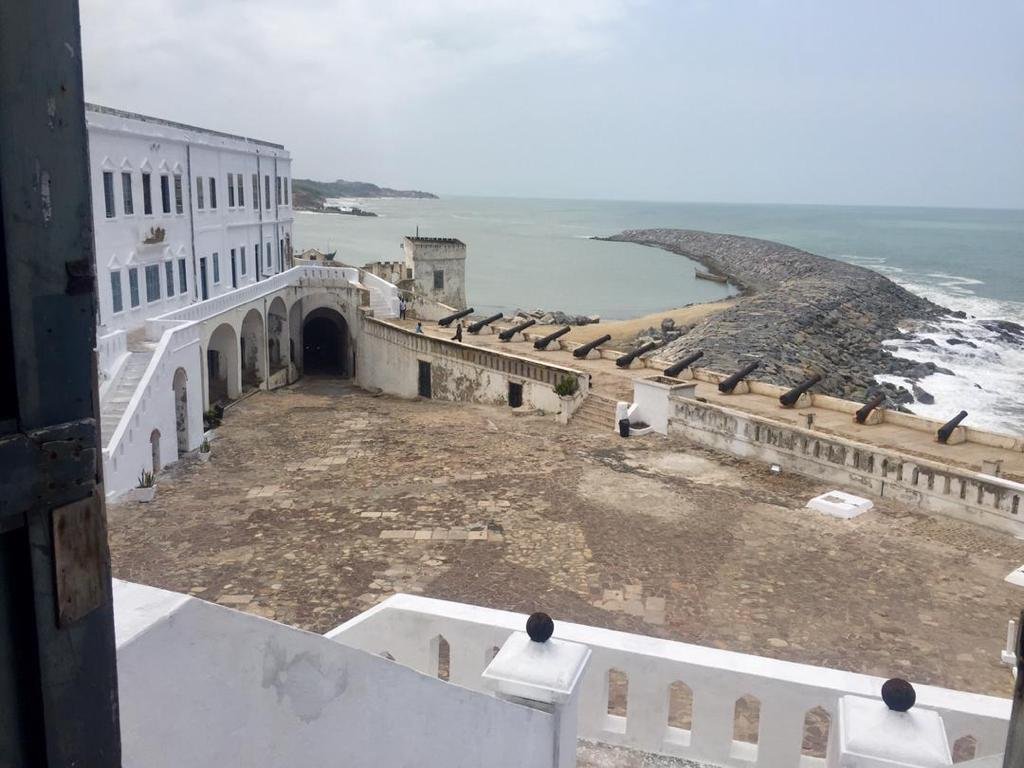
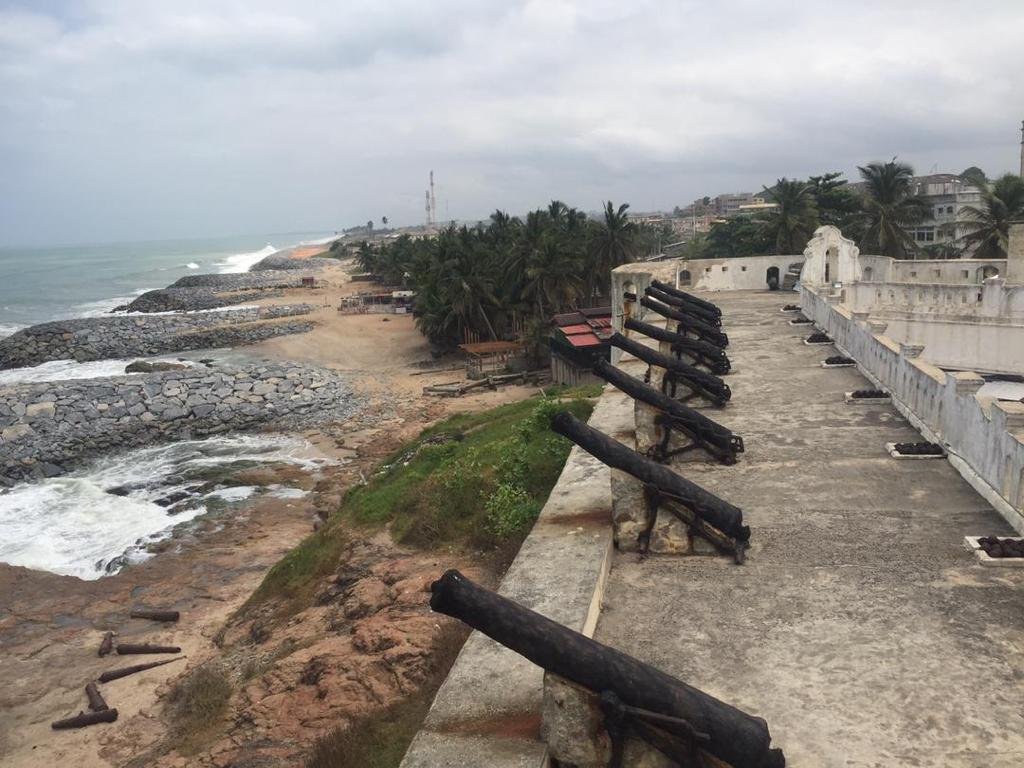
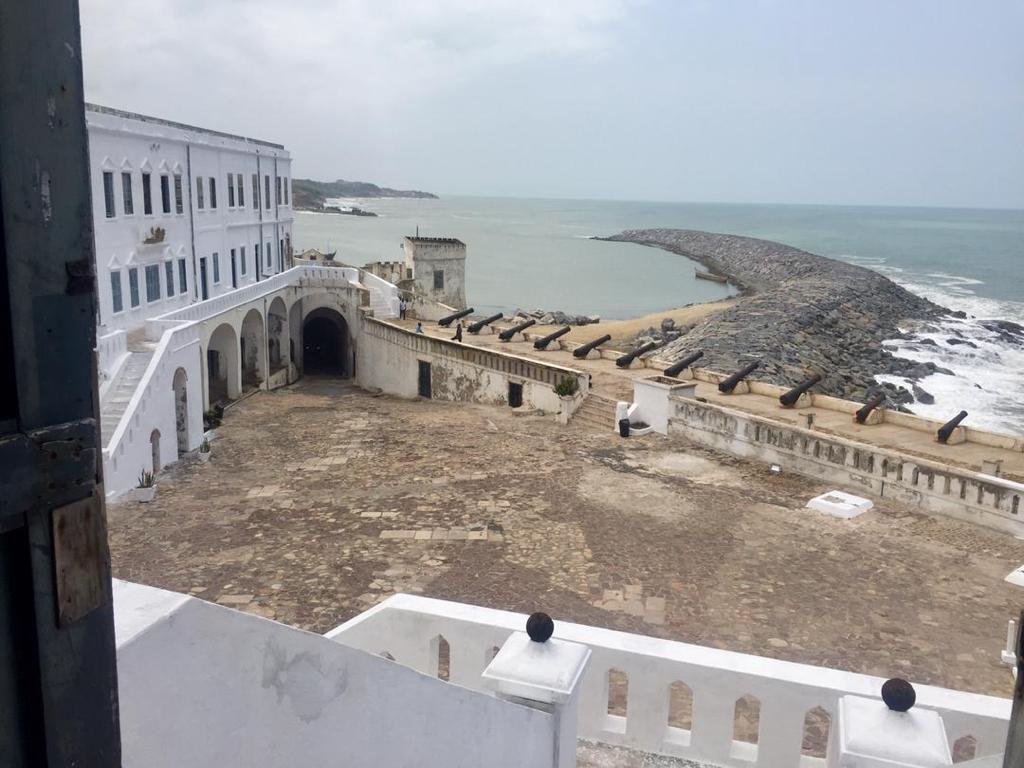
Day 4: Slave Fortresses and the Trans-Atlantic Slave Trade

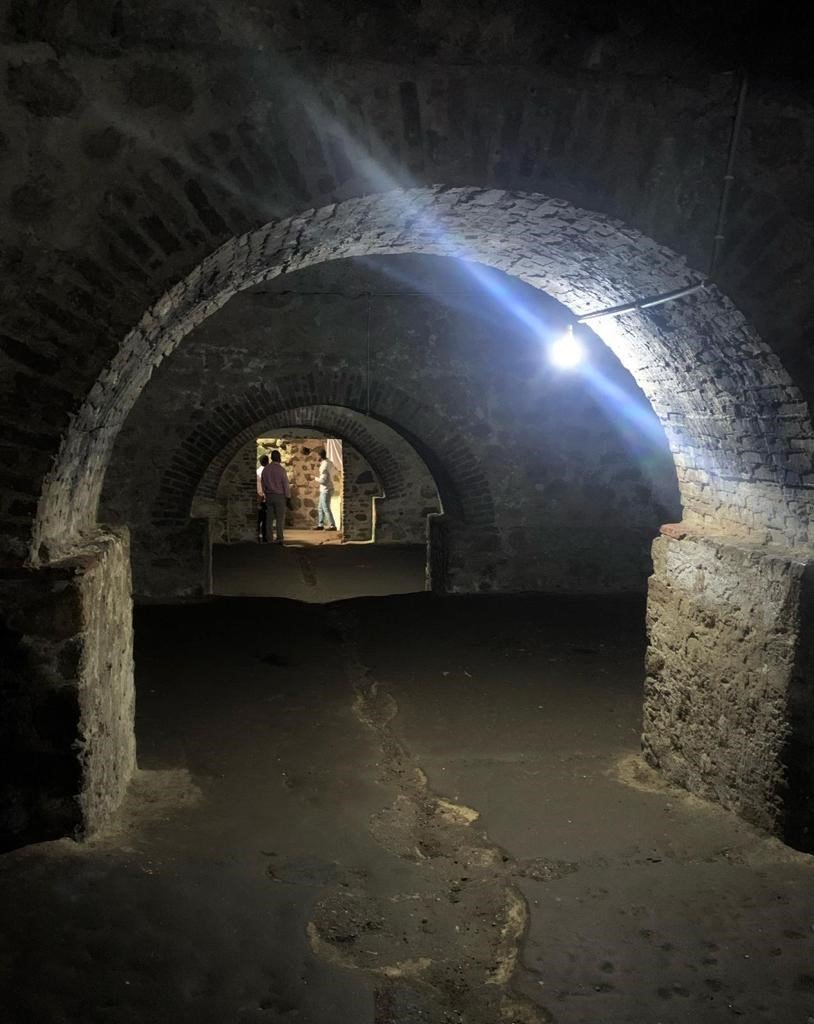
  1. Tour St. Georges Castle (Slave Fortress), Elmina

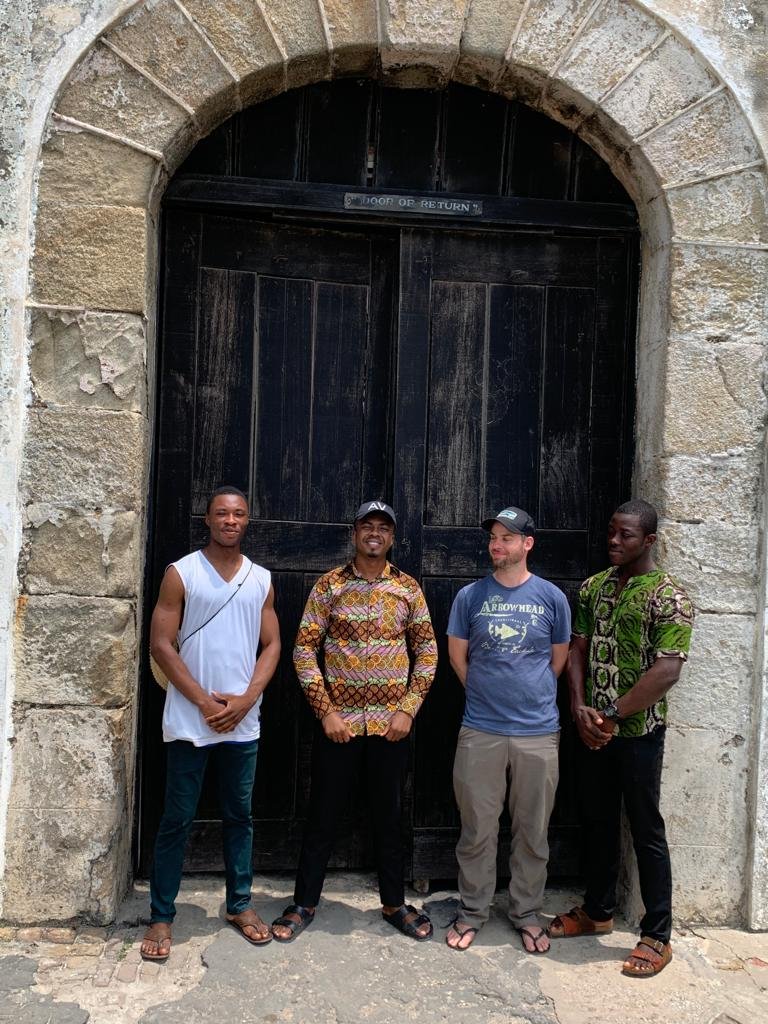
  2. Tour Cape Coast Castle (Slave Fortress), Cape Coast

  3. Workshop: Trans-Atlantic Slave Trade

    Presented By: Tete Cobblah, Witness Tree Institute of Ghana

    Accommodations: Elmina


    Day 5: Kakum National Park

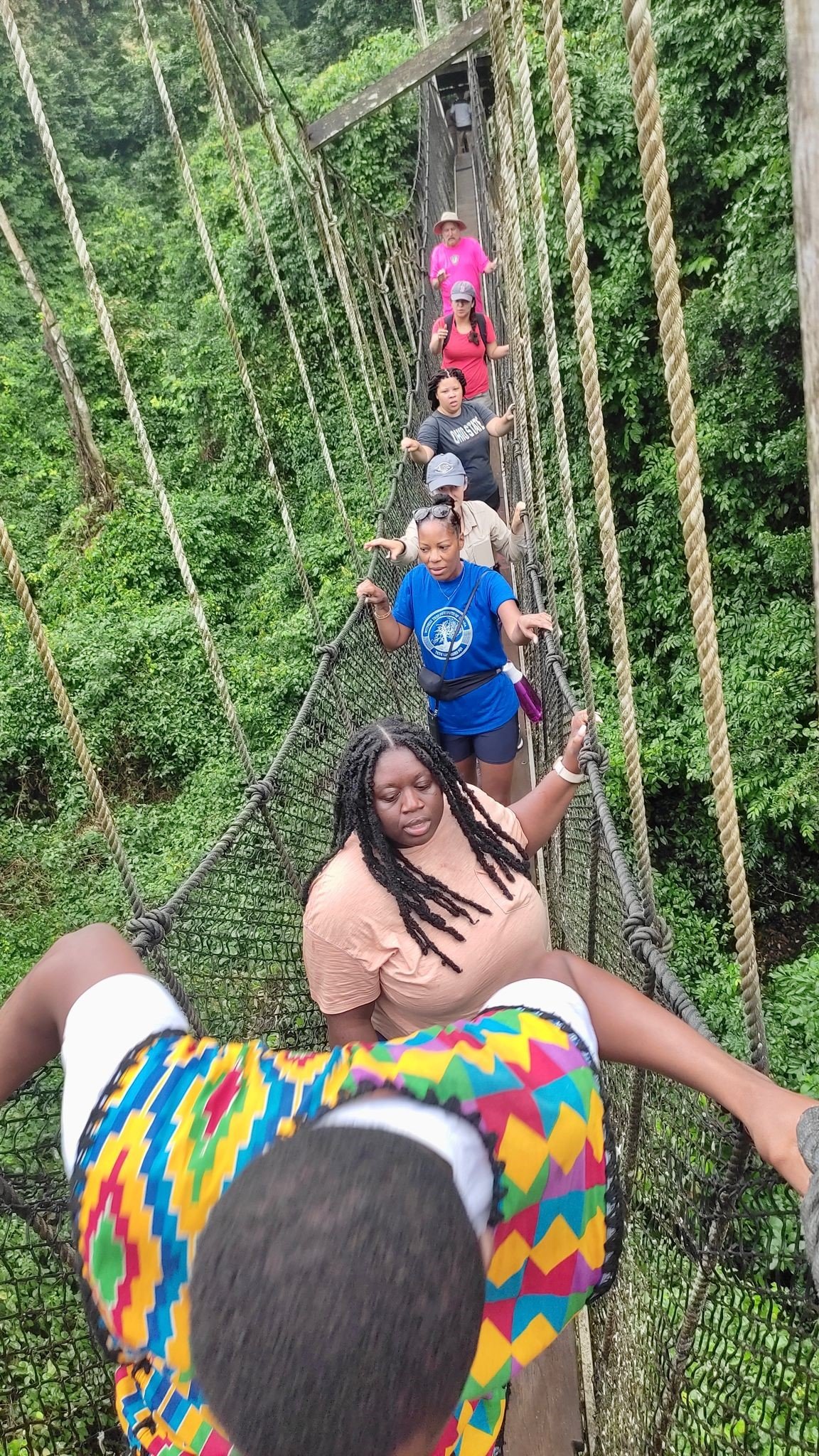
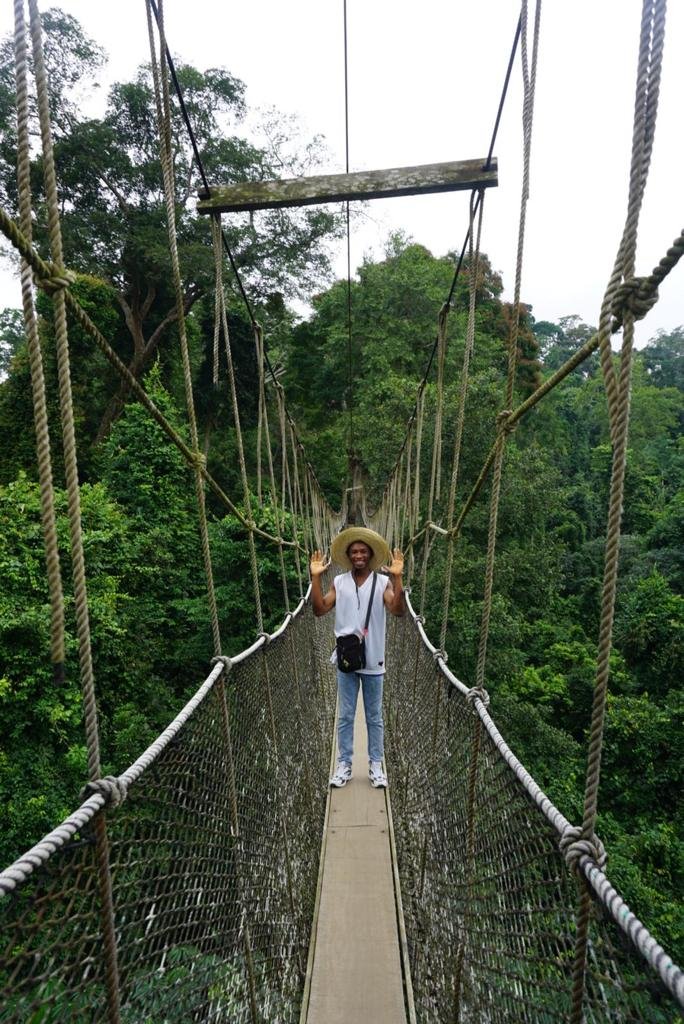
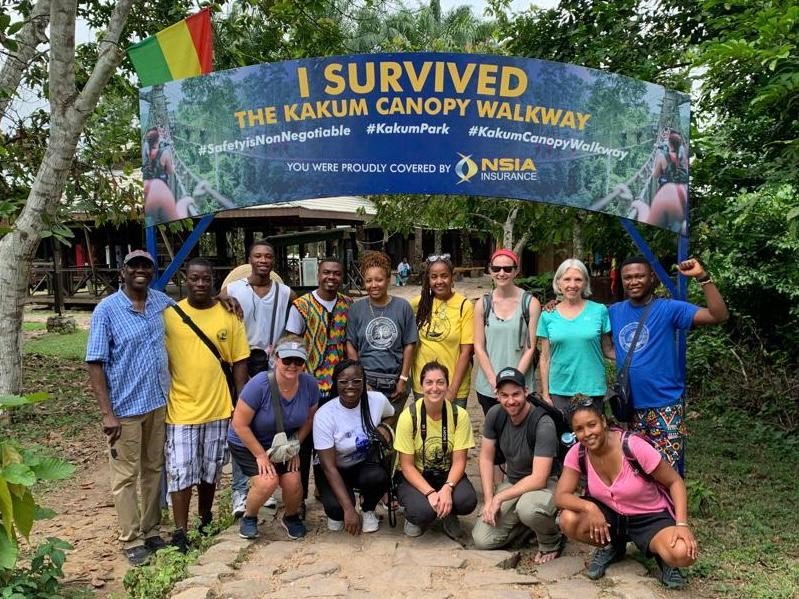
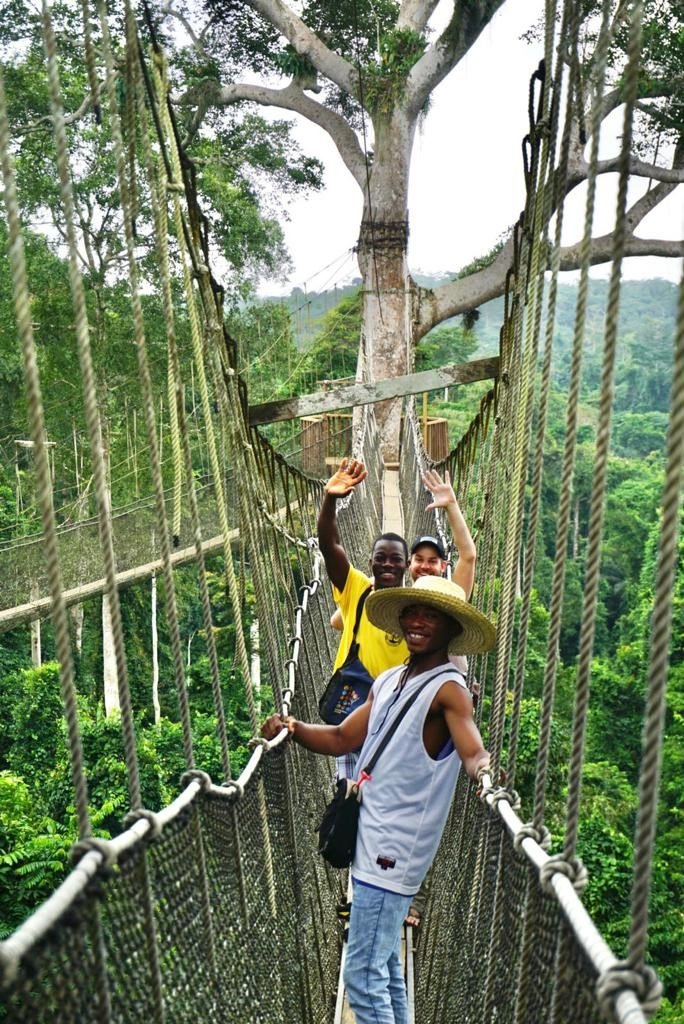
  1. Tour: Canopy Walk, Kakum National Park

  2. Workshop: Introduction to Nature Journaling, Kakum National Park

    Presented By: David Duane, Witness Tree Institute of Ghana

  3. Tour: Crocodile Pond, Hans Botel

    Accommodations: Elmina


Day 6: Donkor Nsuo

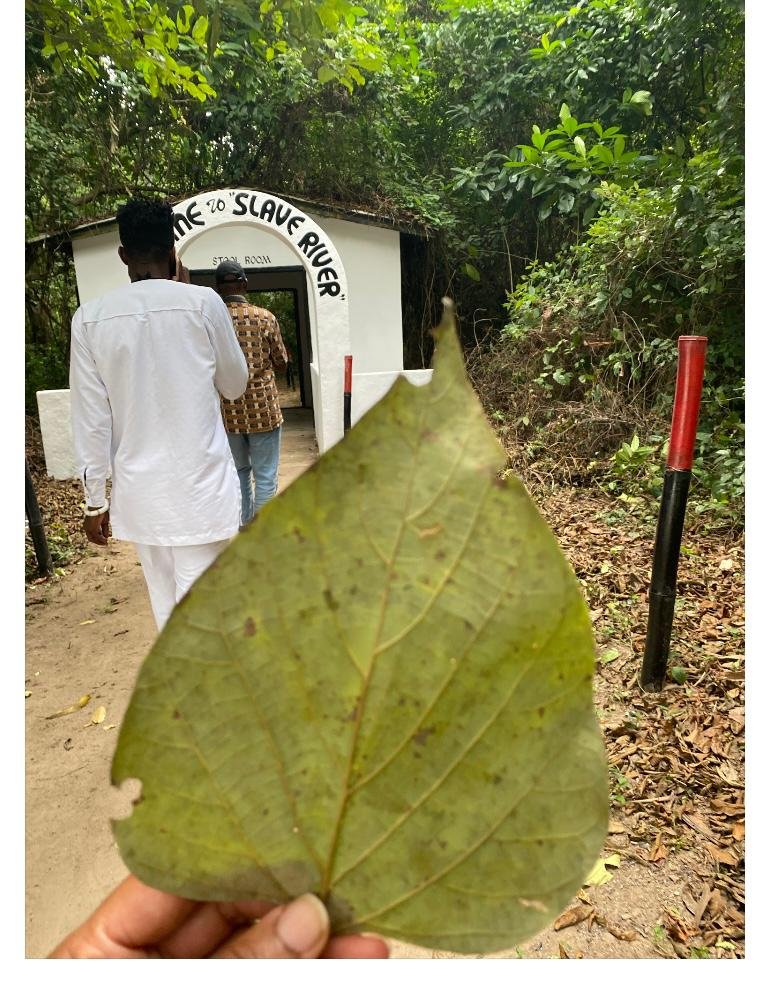
  1. Tour Slave River / Donkor Nsuo Site, Assin Manso

  2. Transportation via bus to Kumasi, Asante Province, Ghana

    Accommodations: Kwame Nkrumah University of Science & o (KNUST) Technology & Engineering Guest House, Kumasi


Day 7: Asante Culture

  1. Tour Asante Museum and Manhyia Palace Museum, Kumasi

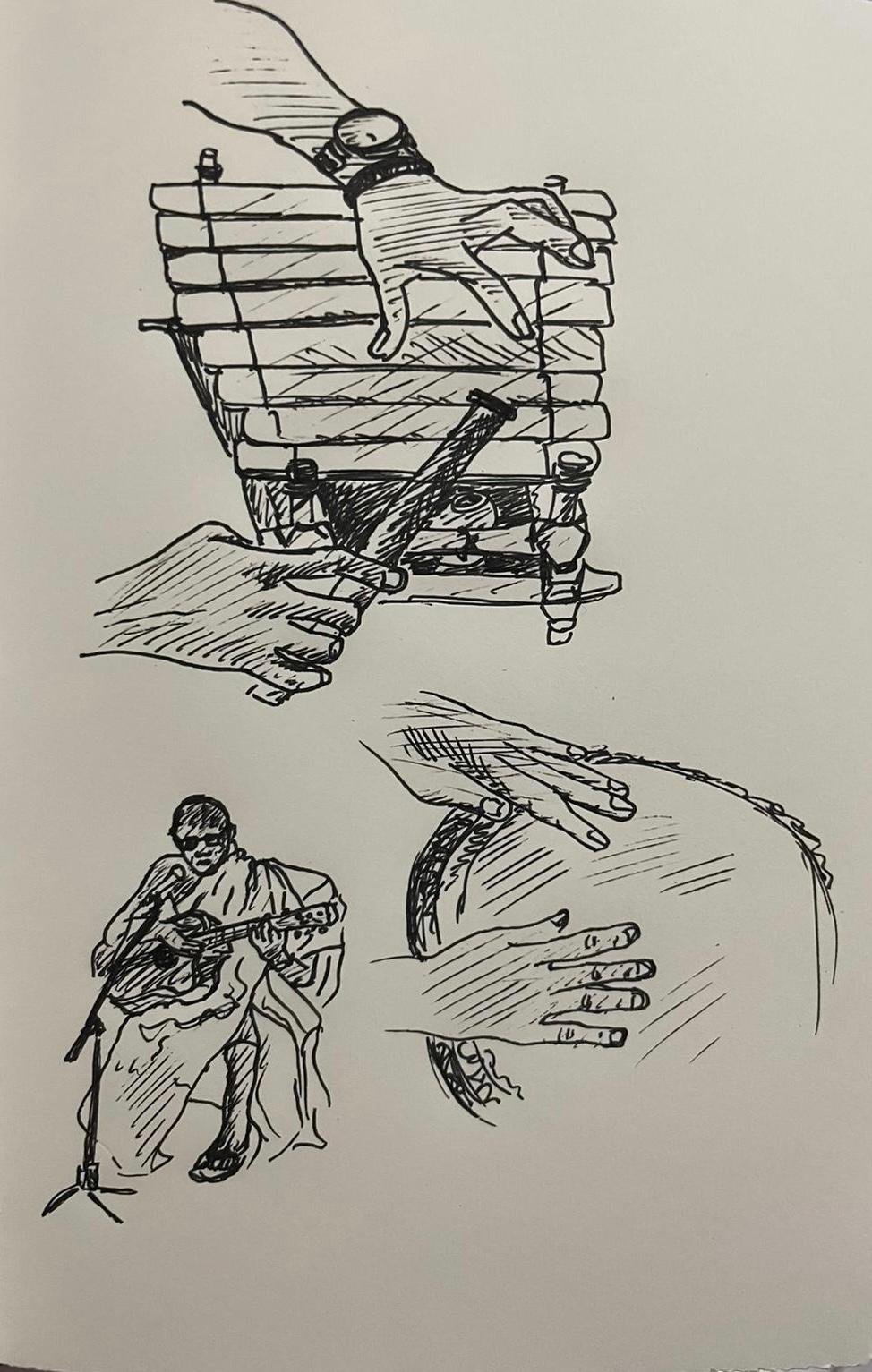
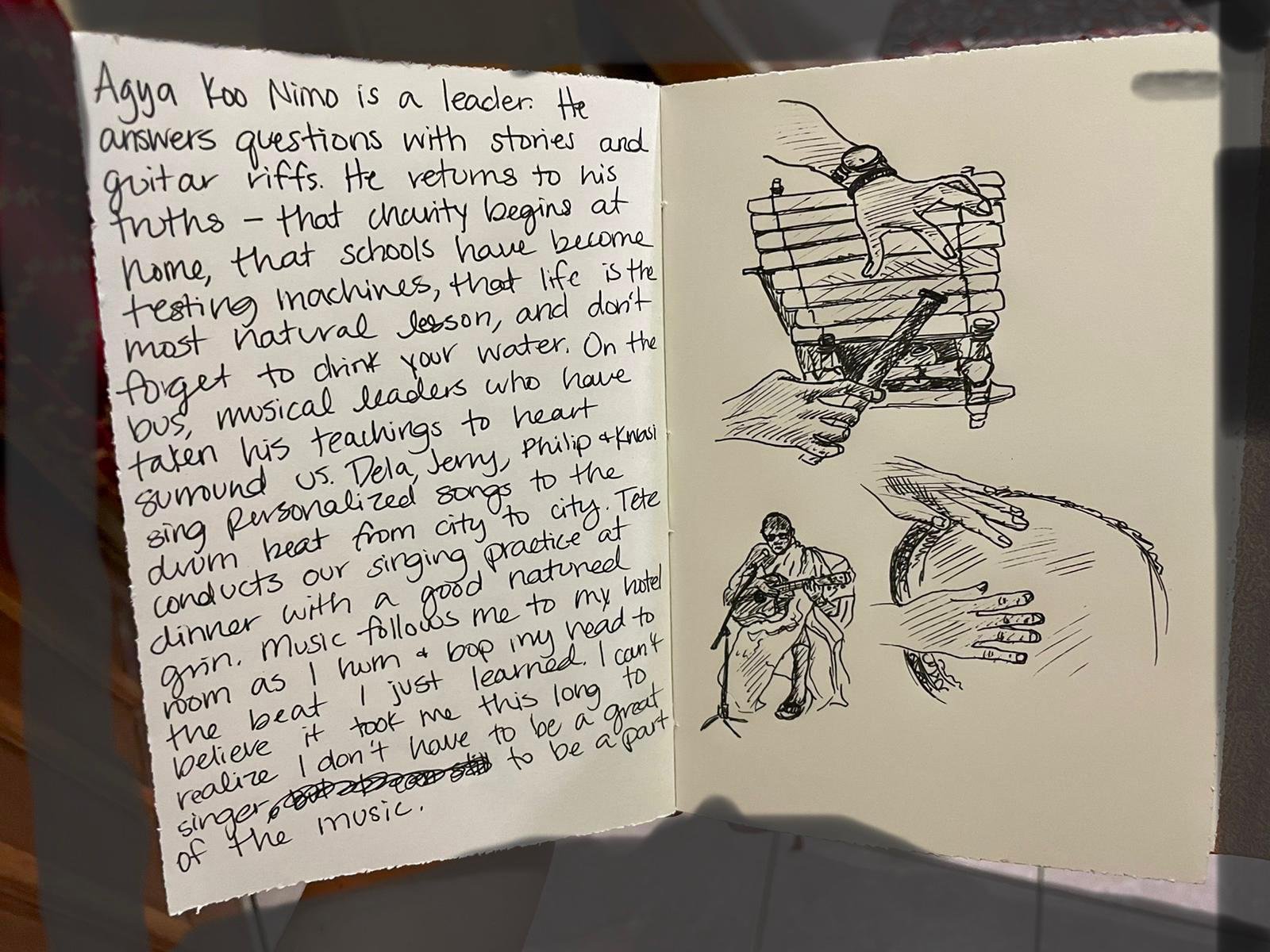
  2. Workshop: Music, Proverbs, and Royalty. Seminar presented by Agya Koo Nimo

    Accommodations: KNUST Technology & Engineering Guest House, Kumasi


Day 8: Asante Craft Villages

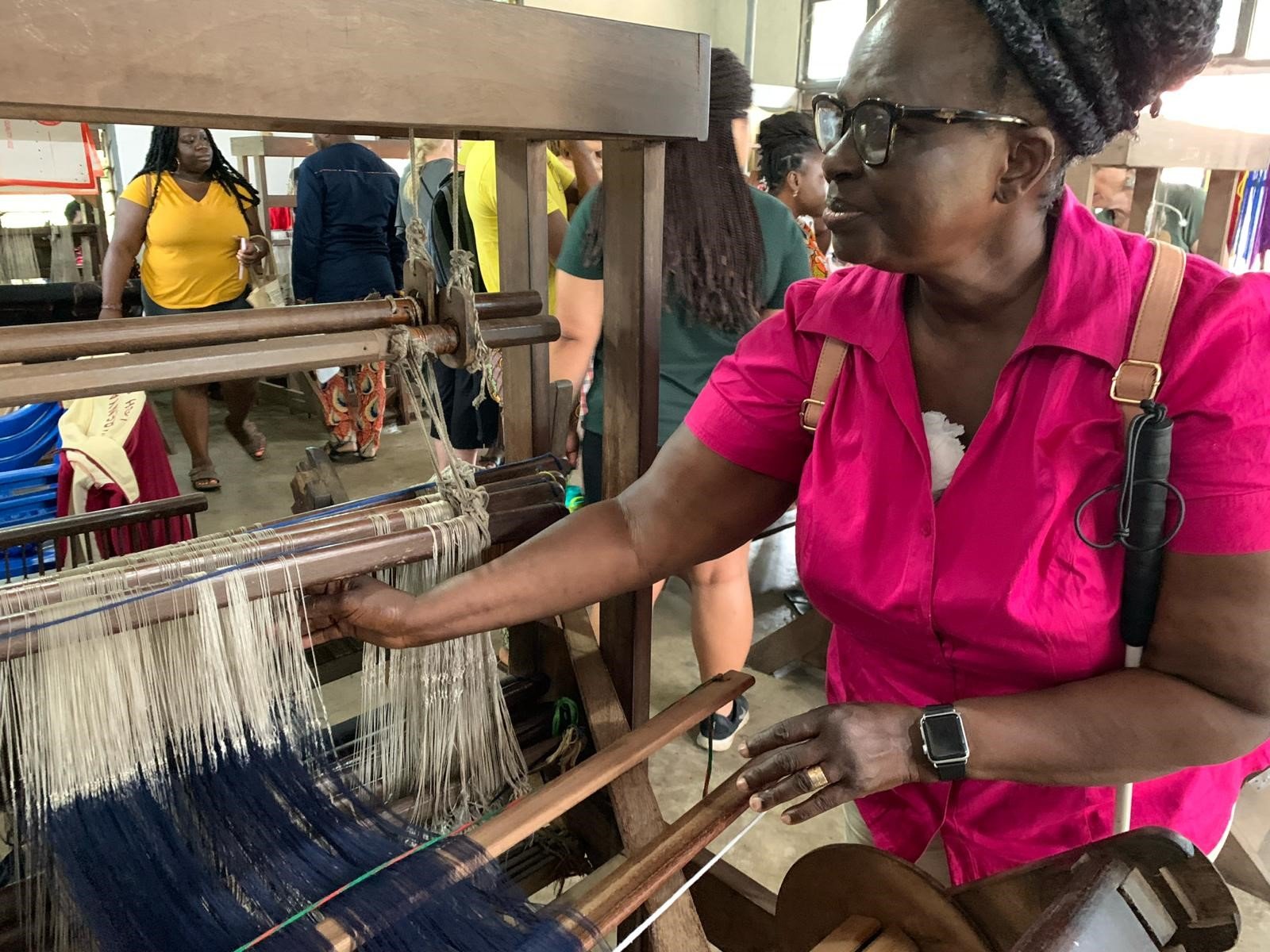
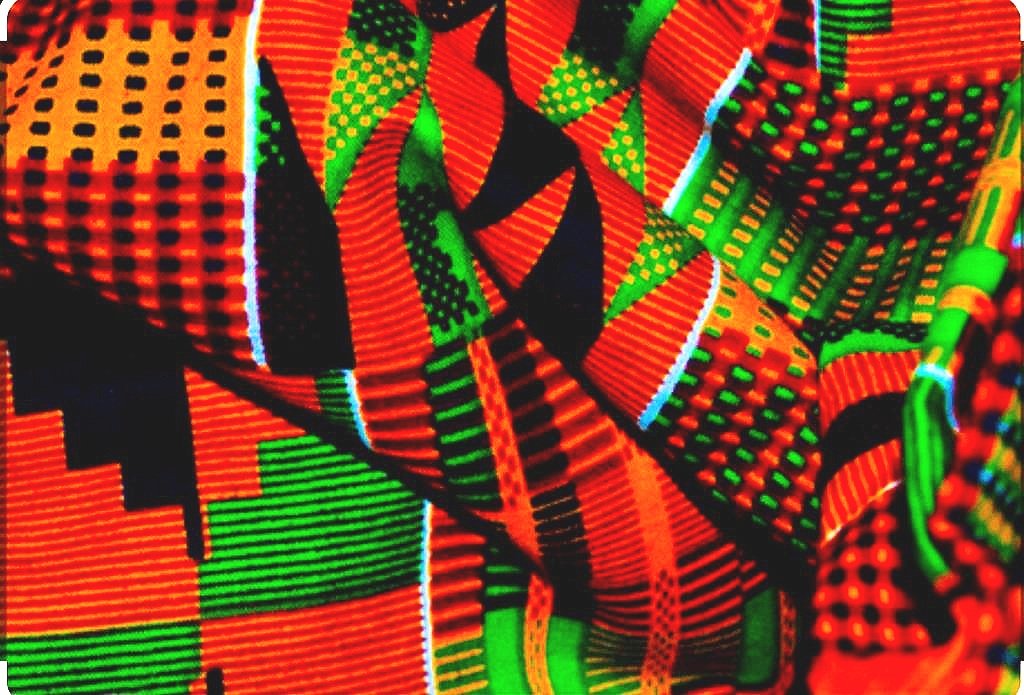
  1. Tour Bonwire Kente Weaving Center, Bonwire

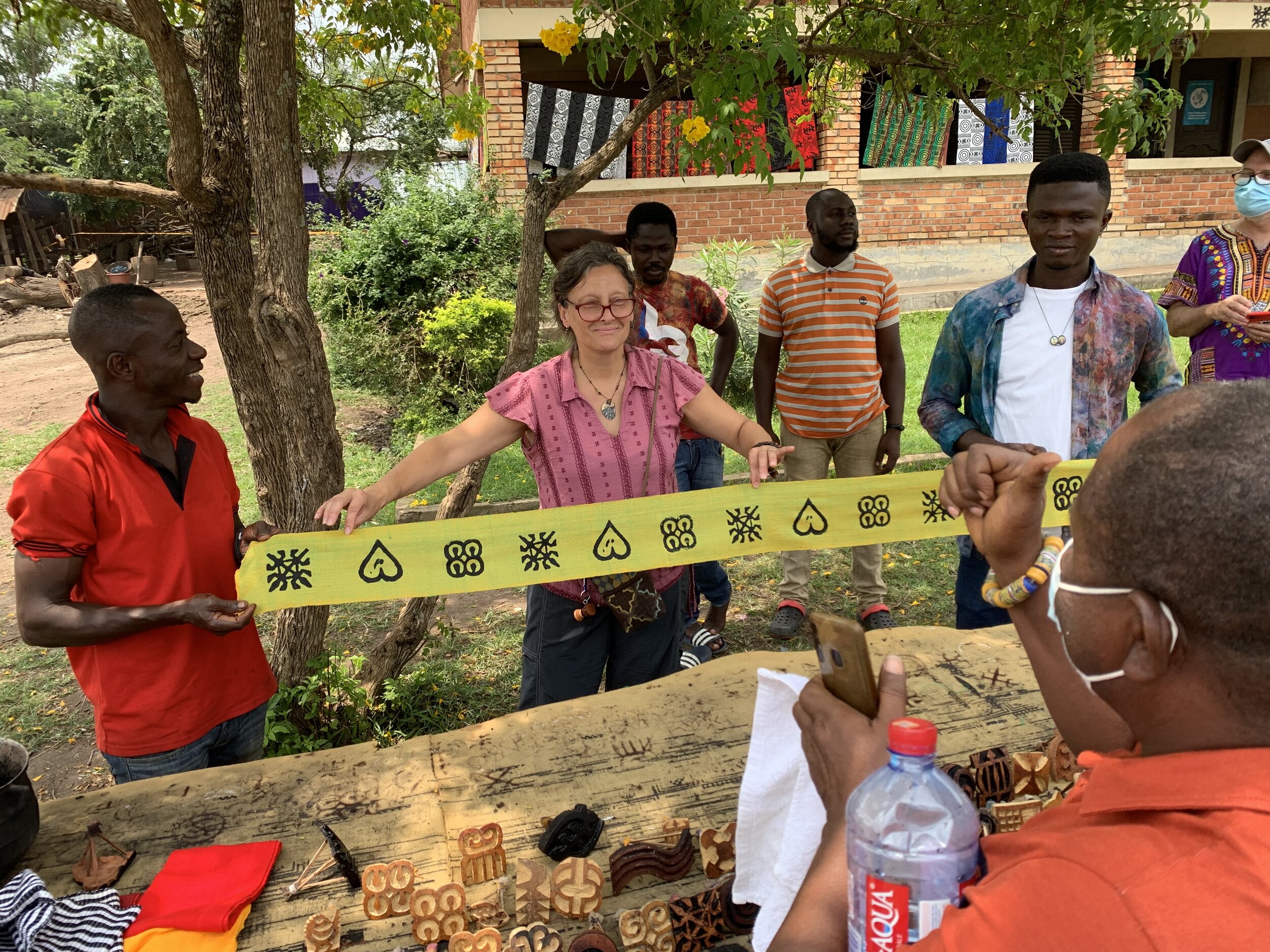
  2. Tour & Workshop: Adinkra Village, Ntonso

  3. Transportation via bus to Kofuridua, Eastern Province, Ghana

    Accommodations: Koforidua


Day 9: Cocoa Research Institute of Ghana (CRIG)

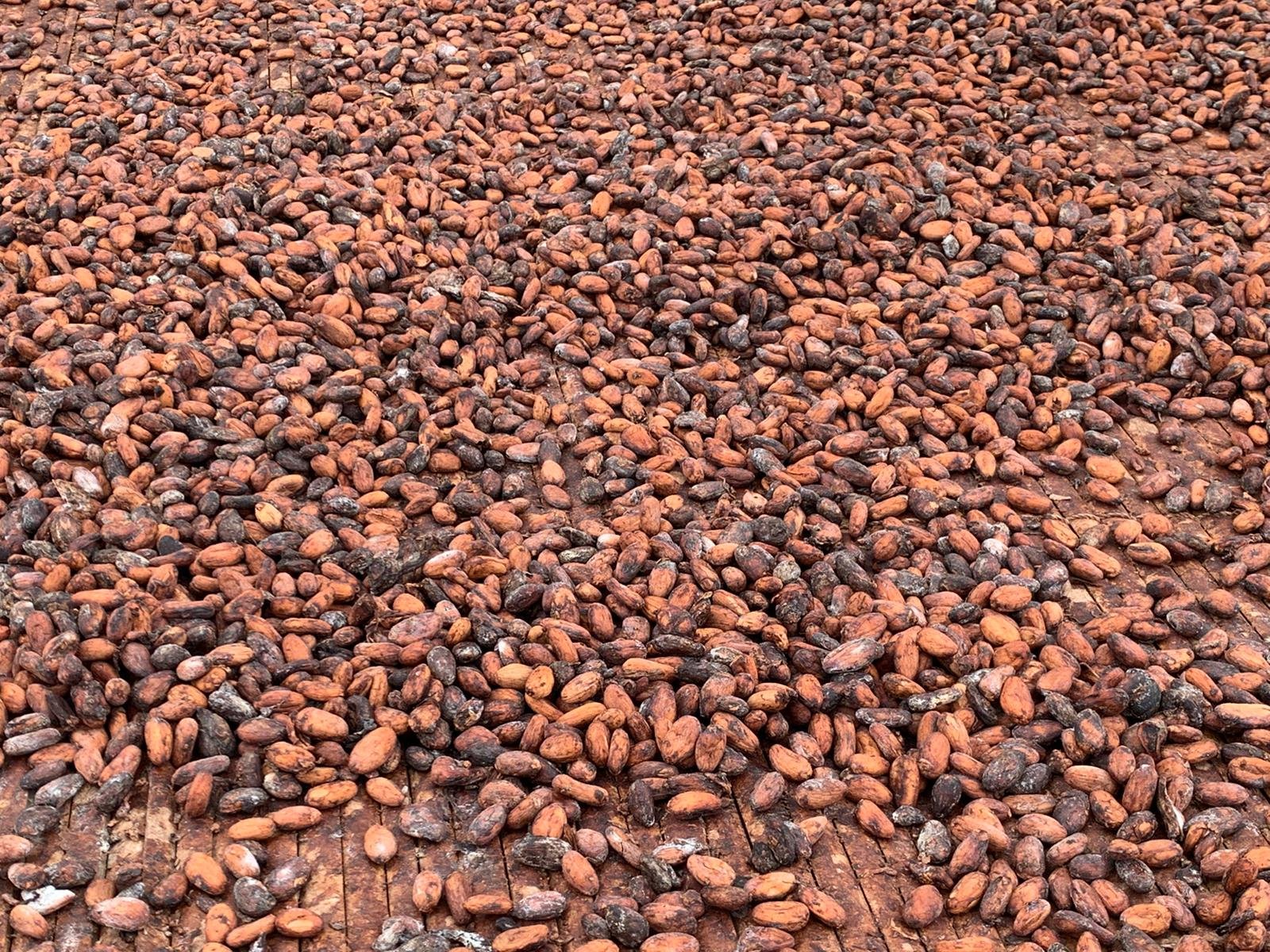
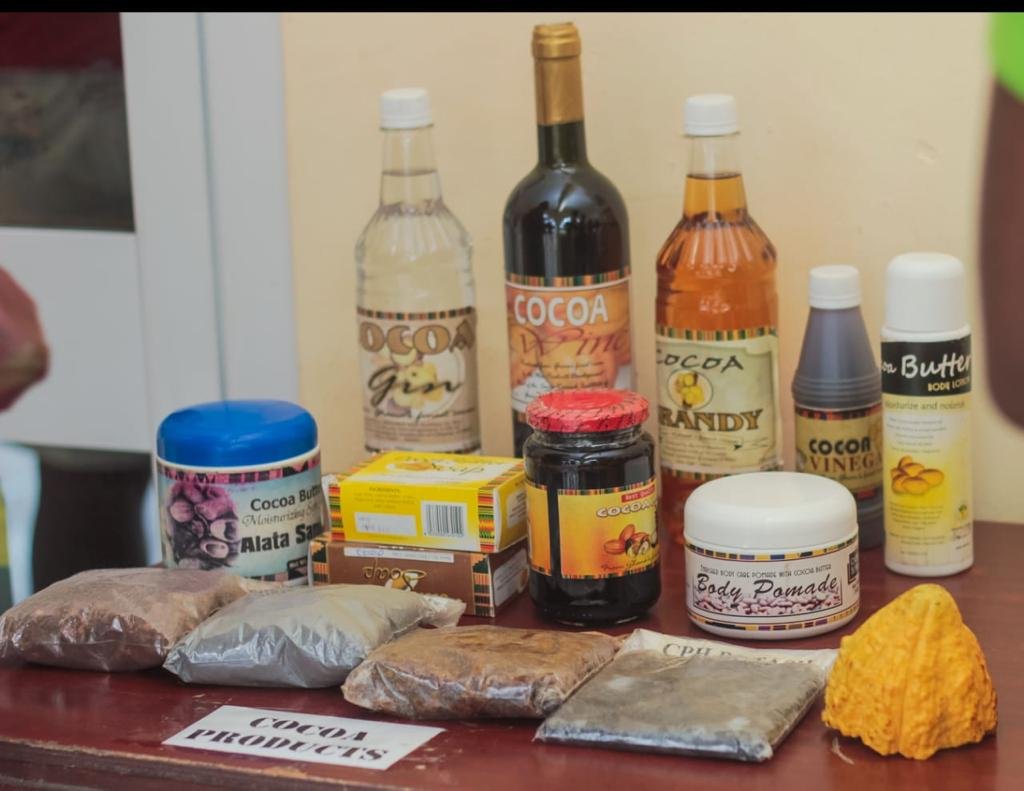
  1. Tour CRIG and Workshop: Cocoa Stories and Economic Matters, CRIG, Tafo

    Presented By: Michael Owusu-Manu, Dep. Director Ghana Cocoa Board

  2. Transportation via Bus to Akropong, Eastern Province, Ghana

Accommodations: Akropong


Day 10: Medicinal Plants and Conservation in Ghana

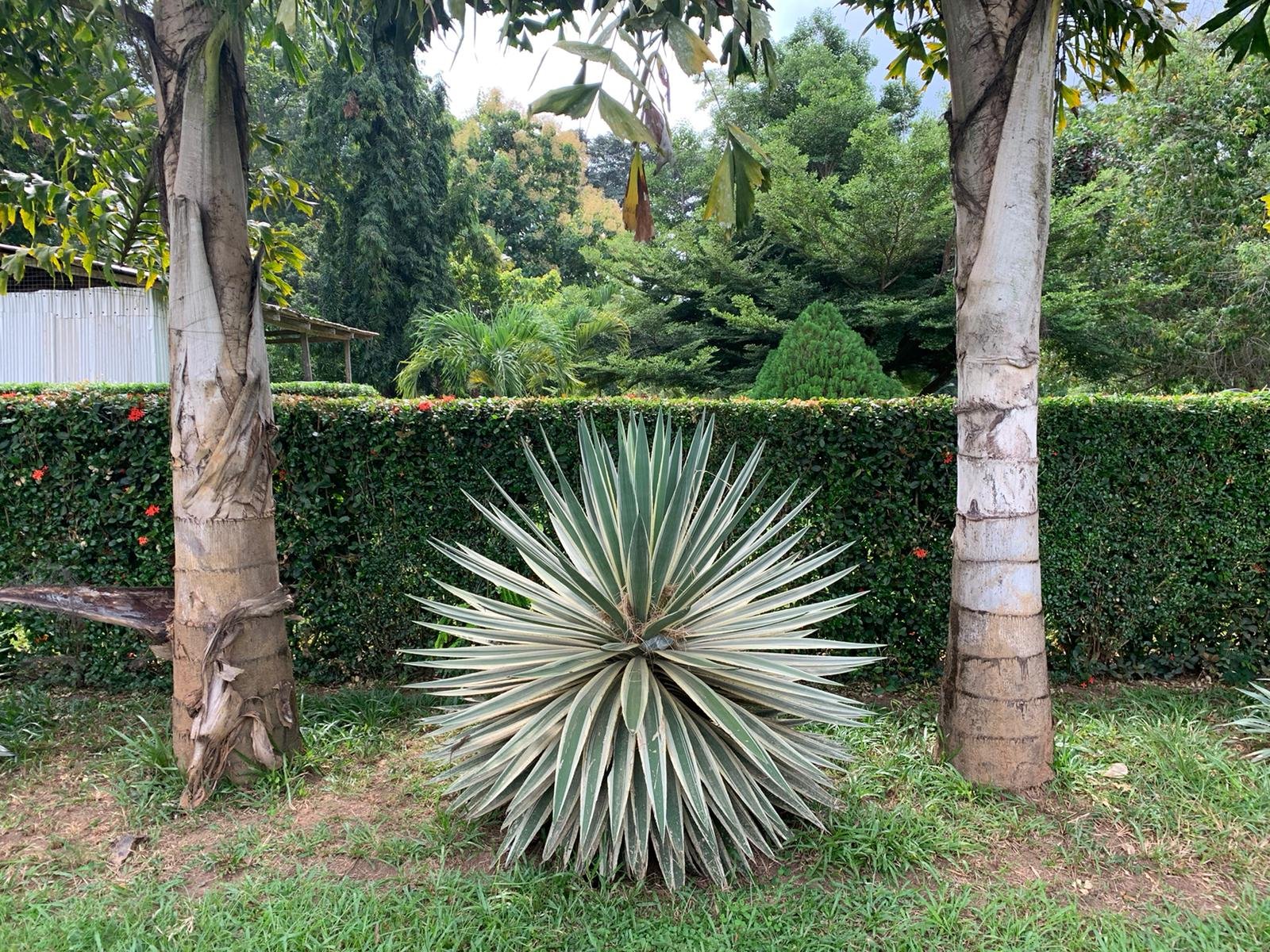
  1. Tour and Workshop: Ananse Akuraa (The Spider’s Village) Botanical Gardens and Nature Preserve.  Mampong. Presented by Prof. Kofi Asare Opoku

  2. Transportation to Accra via Bus

  3. Workshop: Why We Dance (University of Ghana, Legon) Presented By: Dr Jennies Darko, University of Ghana, Legon

    Accomodations: Accra

Day 11: Accra College of Education (AcCE) and School Visits

  1. Plenary: Role of Arts in Ghanaian Culture and Education.  (Faculty Room of Accra College of Education).

    Presented By: Elizabeth Aikens, Vice-Principle of the Accra College of Education

  2. Seminar/ Dialogue between WTIG Participants and Accra College of Education Faculty.

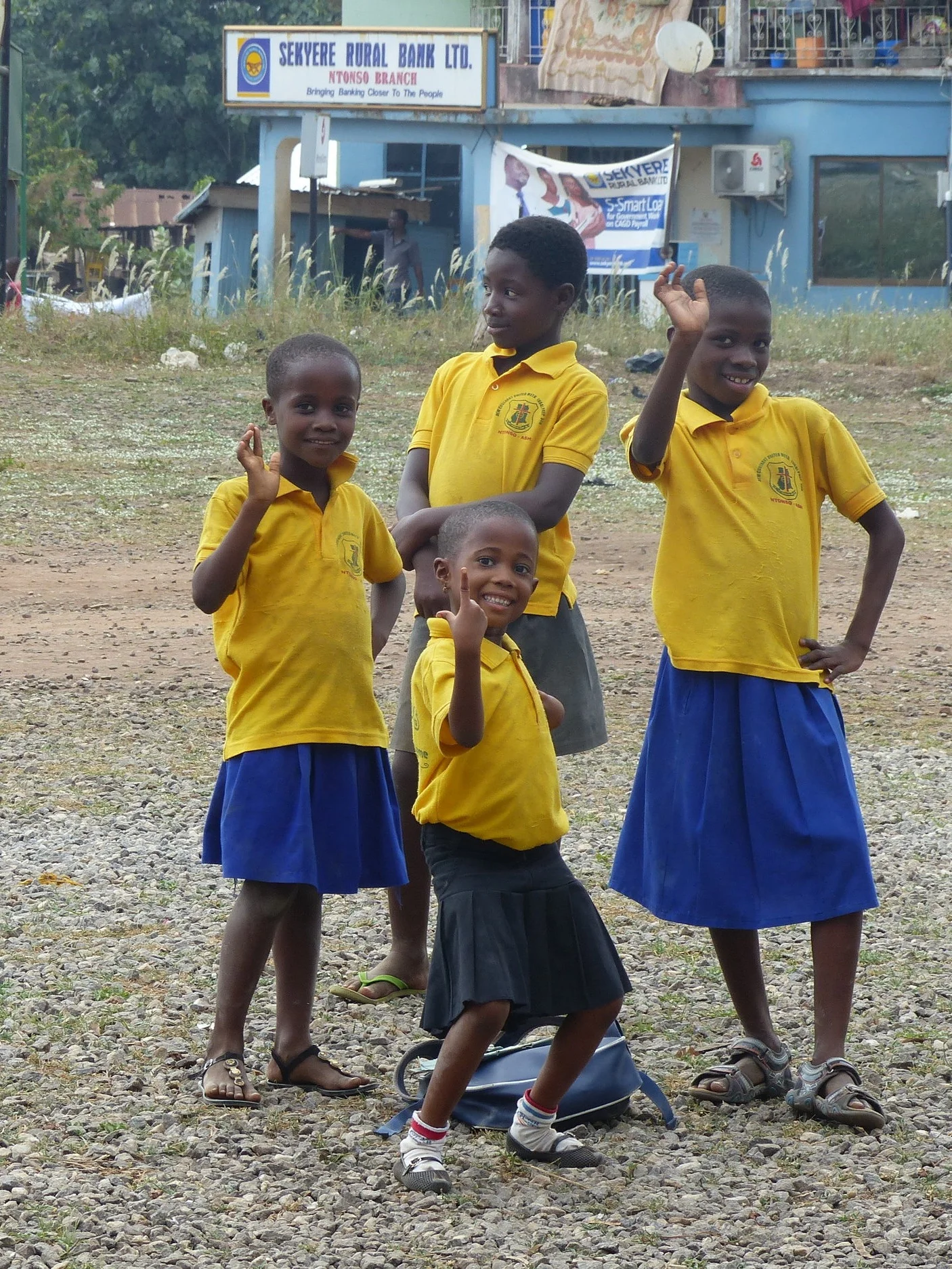
  3. Classroom Visits & Lessons:  AcCE Primary Demonstration School and AcCE Demonstration Jr High

  4. Workshop: Teaching Life Through Adinkra Designs (Adinkra Batik Print Workshop). Presented By: Mrs. Margaret Asabea Anakwa, AcCE Home Economics Department

    Accommodations: Accra


Day 12: Central Accra City Tour

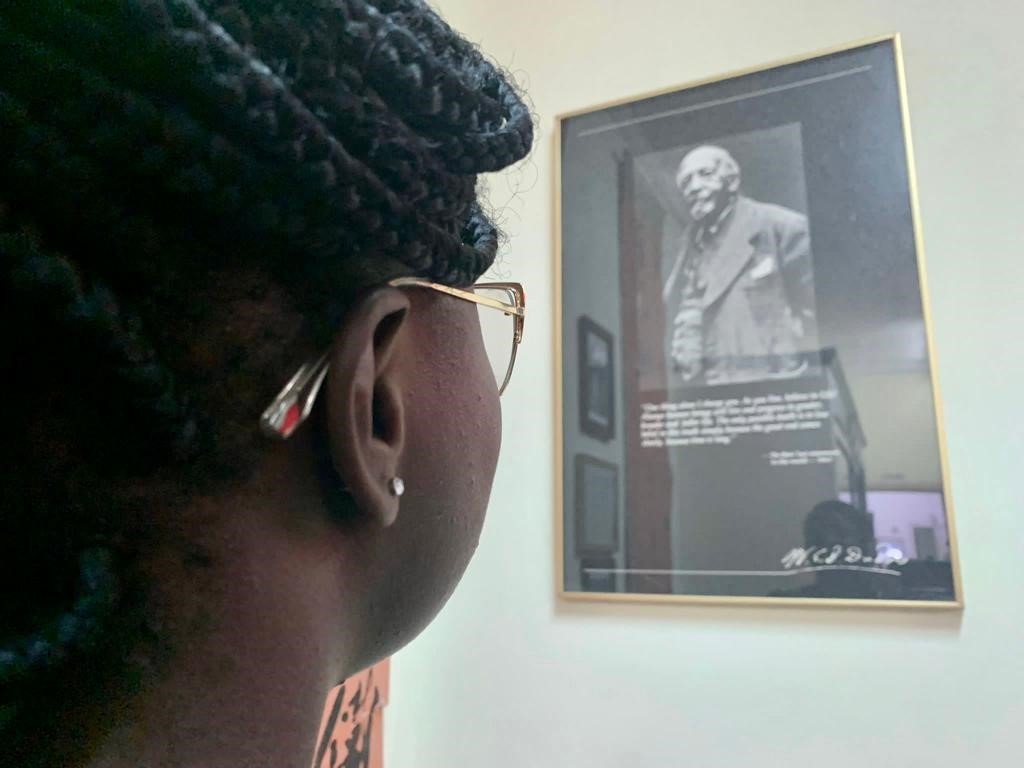
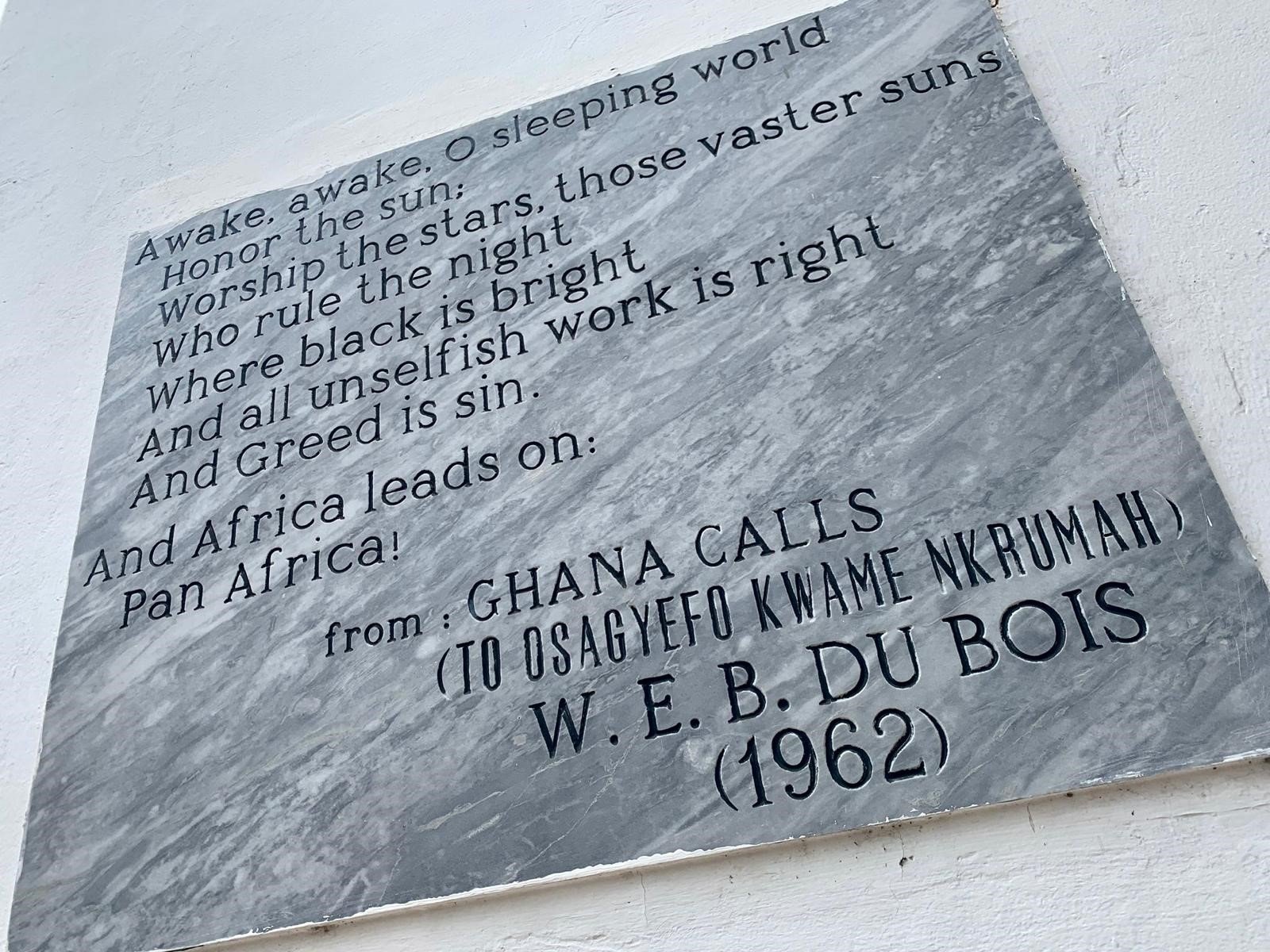
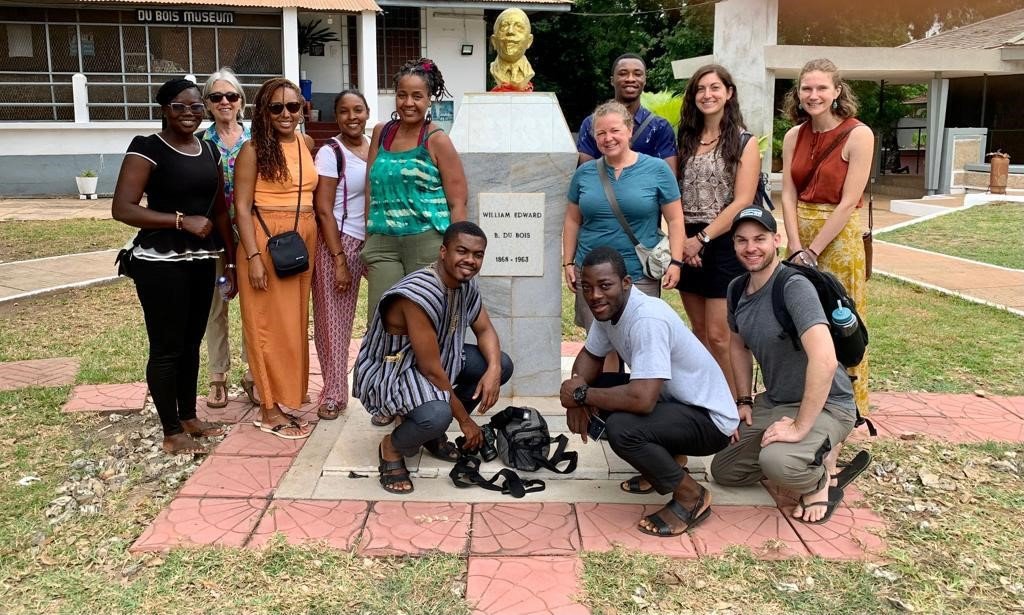
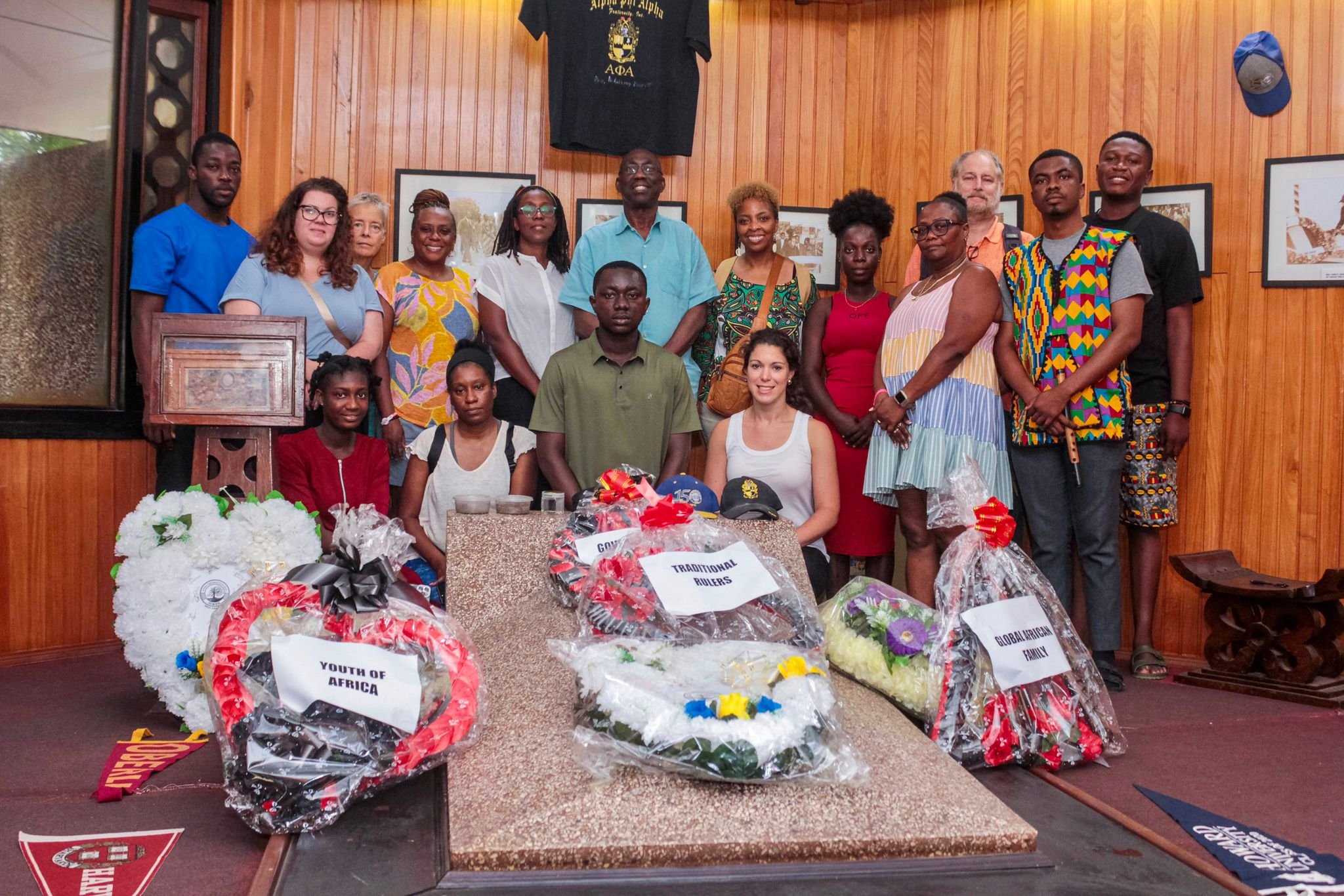
  1. Tour W.E.B. Dubois Center for Pan-African Studies.  Visit Museum and Gravesite.

  2. Visit Omanye House Artist Gallery

  3. Visit Black Star Square

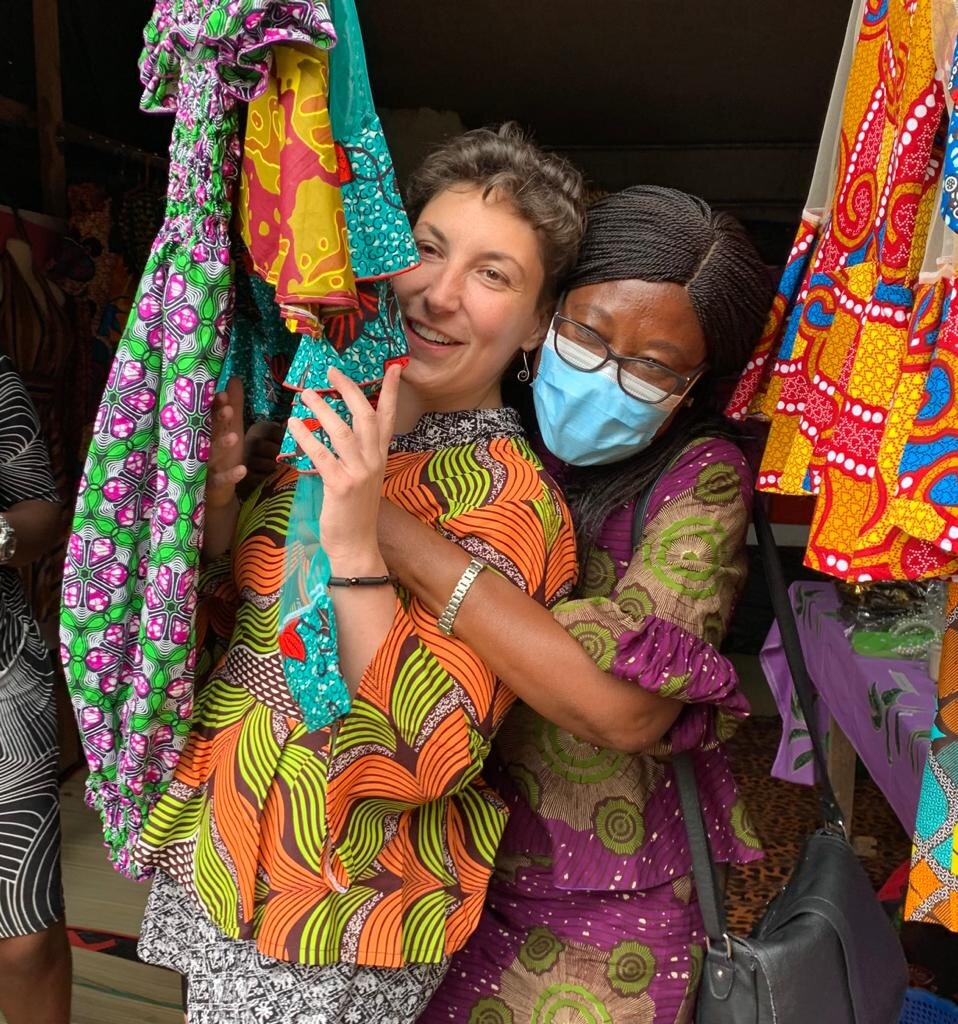
  4. Visit Arts and Crafts Central Market (shopping)

  5. Tour Kwame Nkrumah Memorial Park and Museum

    Accommodations: Accra


Day 13: Royal Audience

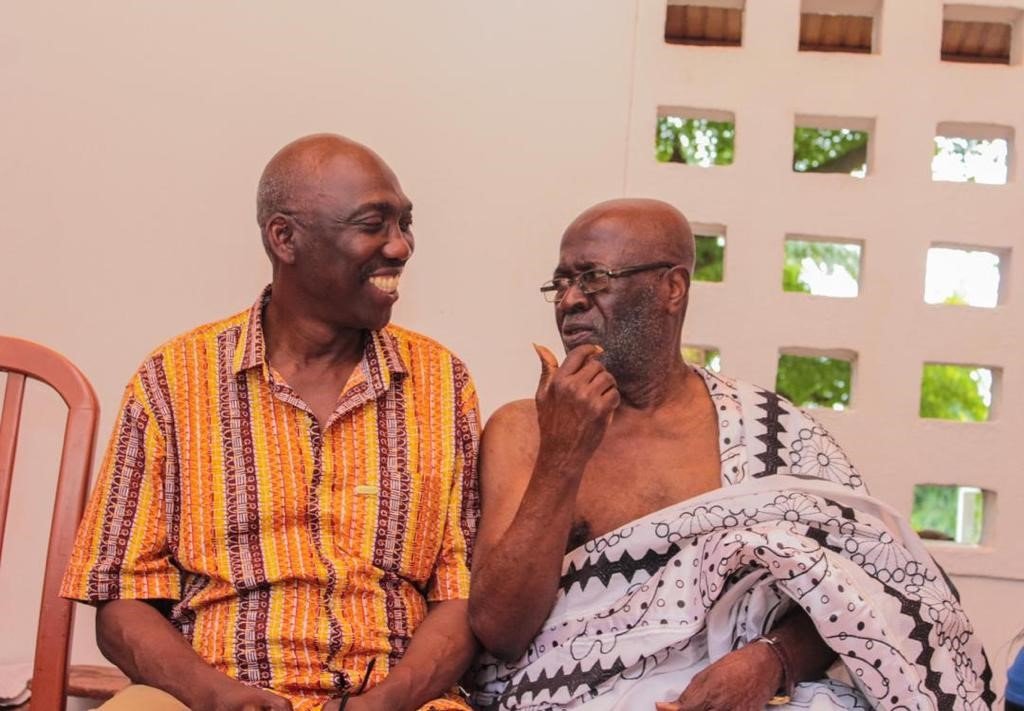
  1. Audience with Paramount Chief of Akuapem, Oseadeeyo Kwasi Akufoo III, (Palace, Akropong)

  2. WTIG Celebration and Closing Ceremonies- WTIG Participants, WTIG Faculty, WTIG Staff

    Accommodations: Accra


Day 14: Travel Day

  1. Final Reflections and Sharing “I am From” Poem or A Letter To My Ancestors

  2. Transportation to Kotoka International Airport for Departing Flights


Each day will have scheduled times for meals as well as group discussions and reflection. Anticipated itinerary subject to change.

COHORT SANKOFA 2026

Denise Carter-Mataboge

Denise Carter Mataboge is a co-leader of the Witness Tree Institute’s 2026 Sankofa Cohort, a 2023 alumna of the Witness Tree Institute and a dedicated fourth-grade teacher at Neighborhood Charter School in Harlem, New York City, where she teaches all subjects except science.

Born and raised in New York City, Denise is a proud mother of two and an “adoptive” mom to many. She finds joy in learning new things, spending time with loved ones, reading, traveling, playing bridge, and admiring trees.

Guided by Toni Morrison’s words, “You are your best thing,” Denise believes deeply in the power of education, healing, and human connection.

Reflecting on her experience with the Witness Tree Institute, she shares, “My time with the Witness Tree Institute of Ghana brought healing to wounds I didn’t even know I had.”


Ama Acheampong

Ama Acheampong teaches English Language and Religious and Moral Education at Nyigbenya D/A Basic B School in Ada, Greater Accra, Ghana. She is also a returning alumna of the Witness Tree Institute of Ghana.

Born and raised in Accra with roots in, Akropong, Akwapim, Ama Boatemaa enjoys reading, movies, music, photography, and especially listening to people’s stories.

Ama believes every story carries wisdom and connection. She is guided by the thoughtful reminder: “If you don’t have to make a decision about something, then don’t decide.”


Nick Reynolds

Nicholas Reynolds has been an educator for the past 15 years. He is currently a school counselor at The Carroll School in Lincoln, Massachusetts, USA.

Born in Bryn Mawr, Pennsylvania, and now living in Arlington, Massachusetts, Nick is a former history teacher and proud father of a daughter.

Nick enjoys travel, music, reading, running, scuba diving, and spending time outdoors with family and friends.

He is inspired by new experiences and the simple practice of being present, often guided by the words, “Be Here Now.”


Amina Loftin

Amina Loftin is Director of Community and Belonging at Bertschi School in Seattle, Washington, USA.

“I have been doing Equity work for my entire life. I have been getting paid to do this work I love for six years, Amina says.

Originally from Brooklyn and living in the Seattle area for over 20 years, she is a proud mother of a grown son.

Amina enjoys travel, movies, reading, meaningful connection, sunshine, laughter, food, and justice work.

She is guided by the powerful words of Lilla Watson: “If you have come here to help me you are wasting your time, but if you have come because your liberation is bound up with mine, then let us work together.”


Charlotte King

Charlotte King is a Librarian and Class Dean at The Branson School in Ross, California. Charlotte has been in the field of education for more than 10 years.

Born and raised in Chicago and now living in Oakland, she is a passionate reader, artist, and lover of music.

Charlotte is energized by learning, creativity, and meaningful conversations with interesting and unique people.

Charlotte finds joy in stories that inspire curiosity and is guided by the reminder: “Sometimes your smile can be the source of your joy.” — Thich Nhat Hanh


Kristin Waltz

Kristen Waltz teaches 6th and 7th Grade World Civilizations in the University Scholars Program at Pennsylvania’s Leadership Charter School in West Chester, Pennsylvania. She has been a teacher for the past 10 years.

A lifelong learner, she loves travel, reading, running, and exploring new food and cultures. Kristen is happiest in the company of good people, live music, and new experiences that spark curiosity and wonder.

Kristen is guided by the reminder: “Pay attention. Be astonished. Talk about it.” — Mary Oliver


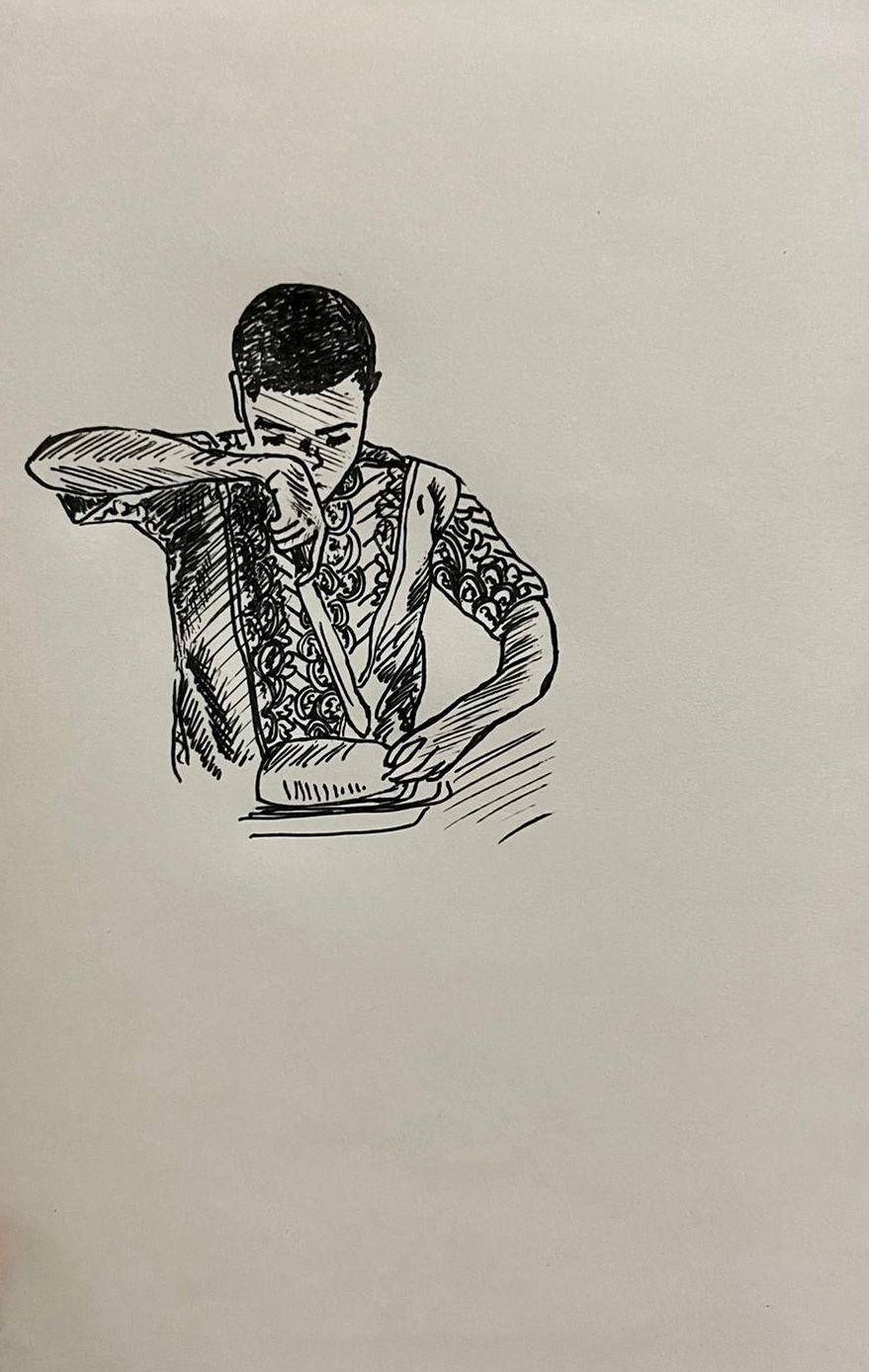
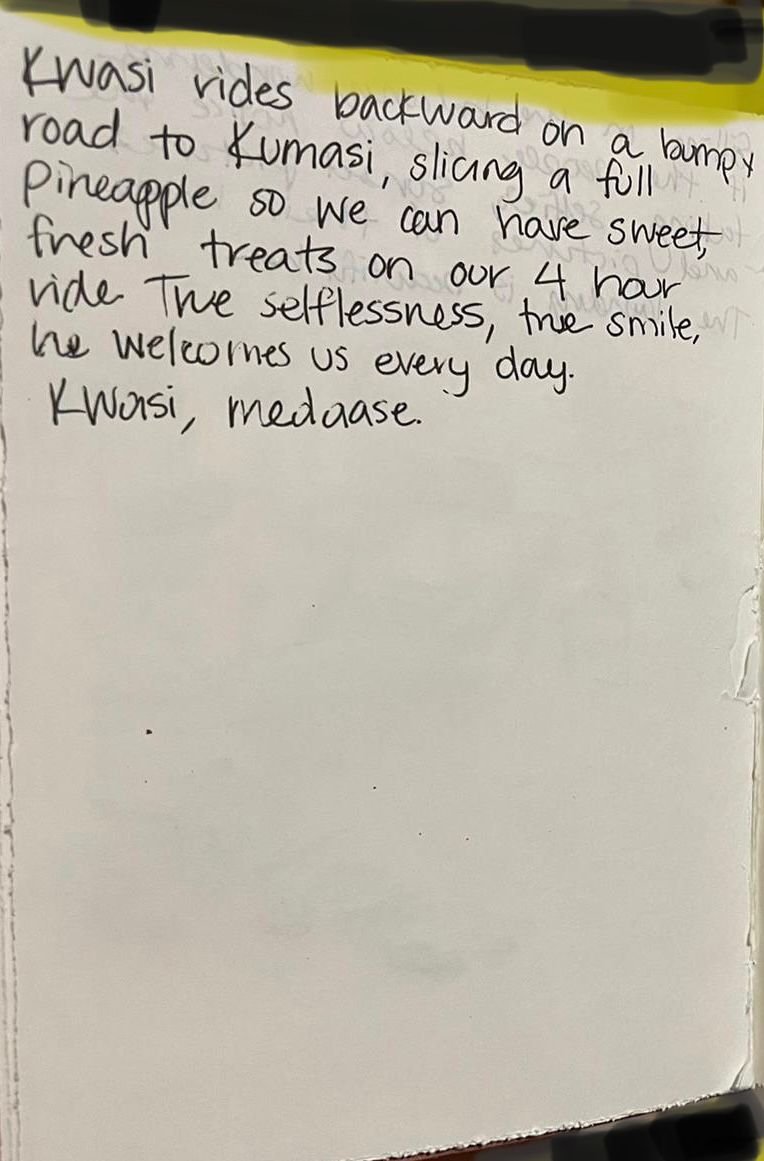
Kwasi Ntim Agyei

Kwasi  Ntim Agyei, a returning Witness Tree Institute alumnus, is also the Cultural Coordinator for the Witness Tree Institute in Ghana and a teacher at Kpohe D/A Basic School in Ada.

Kwasi has taught for five years, and currently teaches Science and Creative Arts. He brings creativity and warmth into his classroom every day.

Originally from the serene hills of Aburi in Ghana’s Eastern Region, Kwasi currently lives in Accra. He is passionate about music, travel, and supporting others. He finds joy in connecting with people, learning from diverse experiences, and bringing hope wherever it is needed.

He is guided by the words, “Little by little, we will get there,” a reminder that patience, consistency, and resilience shape meaningful progress.

Reflecting on Witness Tree, he shares, “WTIG has taught me to constantly reflect on the kind of impact I am making… true fulfillment comes from living a life that leaves others better, encouraged and empowered.”

Dela Awutey

Delali Awutey is a co-leader of the 2026 Witness Tree Institute’s Sankofa Cohort and a returning alumnus of the Institute. He has taught for five years, and currently teaches Creative Arts and Computing at The Doryumu Methodist Basic School in Ghana’s Eastern Region.

Born in James Town, Accra, and proudly hailing from the Volta Region, Delali is a proud father and uncle who brings creativity and care into all he does. He enjoys photography, content creation, traveling, reading, and is especially energized by achieving goals and bringing ideas to life. Delali is inspired by the words, “Build quietly now, so life can speak loudly later.”

Reflecting on his Witness Tree journey, he says, “The best part of WTIG is that you always return transformed into a much better version of yourself. It is the power of Gracious Space!”

Alison Graham

Alison Graham is a retiring Lower School Physical Education Teacher at Meadowbrook School in Weston, Massachusetts, USA.

Born and raised in the Boston area, Alison has been teaching for 33 years, she is a proud mom of two grown sons and has been happily married to her husband David for 30 years.

Alison loves adventure in all forms—running, hiking, camping, travel, and welcoming guests into her home. Deeply grounded by her faith, she also finds joy in volunteering with her husband and celebrating the growth and honesty of young children.

Alison lives by the reminder, “Happiness does not come from having much, but from being attached to little.”

Darnell Epps

Darnell Epps is an educator and Director of Fair Play at Hawken School in Cleveland, Ohio, USA. He has been involved in education for more than 10 years.

Born in Baltimore and currently living in Cleveland, he is a listener, learner, and observer who enjoys stepping into new communities and experiences.

Darnell is especially passionate about folkloric dance and drumming traditions from Mali, Senegal, and Guinea, which he studies and shares with students.

He finds joy in learning and teaching West African dance and drum traditions. He reflects, “The more I know, the less I understand.”


Mayumi Kubota

Mayumi Kubota is Professor Emerita of Intercultural Communication at Kansai University in Osaka, Japan.

Mayumi has been an educator for more than 35 years of her life. She enjoys swimming, table tennis, and especially sharing laughter with others. Warm and joyful in spirit, she believes in the power of humor and connection across cultures.

A former Japanese Overseas Volunteer, her guiding belief is simple and meaningful: “For Others.”


Yaa Adoliba

Abigail Yaa Adoliba has taught at Queen’s International School, East Legon, Ghana, for the past two years.

Originally from Navrongo in the northern region of Ghana, and raised in an Akuapem family in the Eastern Region,

Cheerful, positive and energetic, Yaa brings warmth, care, and enthusiasm into her classroom.

She enjoys reading and volleyball, and she finds deep joy in the support of her family and friendships.

She is inspired by the simple but powerful reminder: “Believe that you can.”


Precilla McCarthy

Precilla McCarthy teaches Grade 7 History and Language at The Carroll School in Lincoln, Massachusetts, USA. She has been a teacher for the past 10 years.

Raised outside of Boston and now living in Waltham with her husband and daughter, she brings curiosity and care to her work every day.

Precilla enjoys movies, travel, music, wellness, cooking, fashion, and time in nature—especially the beach and the woods. She finds joy in life’s simple gifts: loved ones, learning something new, and everyday beauty.

She is inspired by Ralph Emerson’s words: “There is simply the rose; it is perfect in every moment of its existence.”


Tettey Aryeh

Patrick Tettey Aryeh is a teacher of Ga and English and co-proprietor of Model Power Academy in Kofi Kwei, Ga-South, Greater Accra, Ghana.

Born and raised in Ghana and based in Accra, he enjoys reading non-fiction, music, sports, and meeting new people.

Patrick finds deep joy in sharing and listening to life experiences and values hospitality and human connection.

He is inspired by the words of Walt Disney: “The way to get started is to quit talking and begin doing.”


Kenichi Kubota

Kenichi Kubota is Professor Emeritus at Kansai University in Osaka, Japan, and Director of the Forum for I-Learning Creation (FiLC).

A lifelong educator and global traveler who has visited more than 30 countries, Ken has taught for over 40 years, and is passionate about learning, collaboration, and discovery.

Kenichi, affectionately called Ken, enjoys new adventures, meeting interesting people, and protecting the natural world.

He finds joy in forests, travel, and making connections. One of ken’s favorite quotes is simply, “Seeing is believing.”


Seth Akomeah

Seth Obeng Akomeah is a 2025 Witness Tree Institute Alumnus. He has taught for four years, and currently teaches Music and Religious Studies at The Battor Senior High School in the Oti Region, Ghana.

Born in Akim, Oda and raised in Accra, he brings a deep love of music into his teaching and daily life.

Seth finds joy in composing hymns and anthems rooted in Ghanaian tradition and culture.

His work is a celebration of rhythm, faith, and creative expression.


Barbara Beachley

Barbara Beachley, an educator for more than 30 years, is a co-leader of the 2026 Witness Tree Institute’s Sankofa Cohort and a 2025 alumna of the Institute. She recently completed her role as Head of School at Childpeace Montessori School in Portland, Oregon.

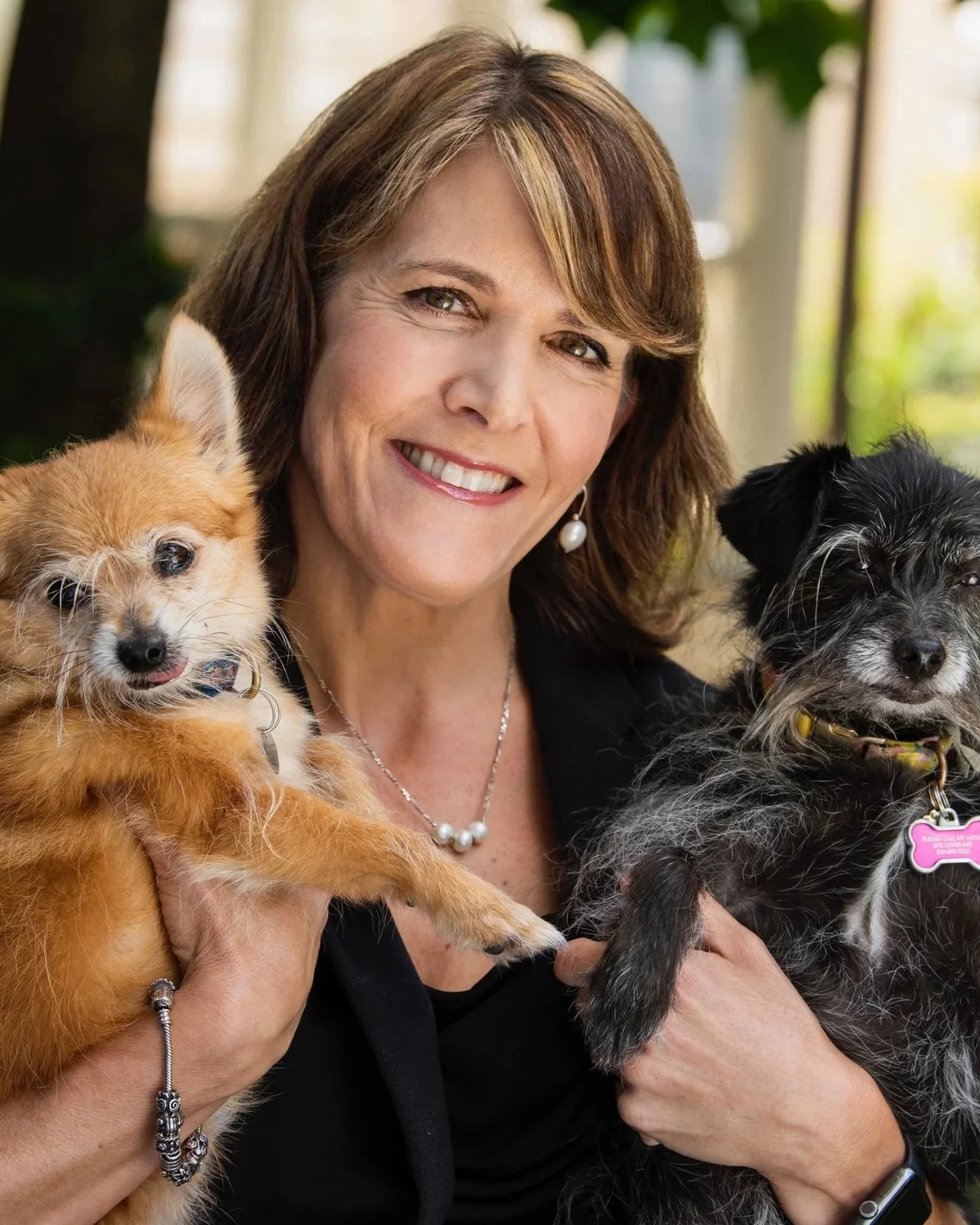
Originally from Richmond, Virginia, Barbara has lived in many places and now considers Delaware her home base. She is a proud sister and a loving daughter of “a mom who made me the person I am today.” She is also a loving caregiver to her rescue dogs, Tidbit and Smidgen.

Barbara enjoys traveling, vegan cooking, learning new languages, yoga, meditation, and writing. She is most joyful when spending time with family and friends,

Reflecting on her Witness Tree experience, she shares, “It was simultaneously heartbreaking and joyous to realize that the sense of community and welcome I experienced in Ghana was something I had been longing for in my native country without even knowing it.”

Barbara is always inspired by the reminder, “There but for grace go I.”